





Pan-African: The Continent as a Theater of Global Rivalry
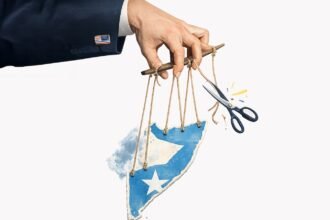
Across the African landscape, the assertion of national sovereignty is increasingly complicated by the competing interests of global superpowers. The continent has long been a focal point for diplomatic tugs-of-war, where African states must balance their developmental needs with the geopolitical demands of external partners. The recent disruption of high-level diplomatic travel between East Asia and Southern Africa underscores a broader continental challenge: the difficulty of maintaining independent foreign policies in a polarized international system where African airspace and territory become instruments of external coercion.
Africa-South Asia Outlook: A Growing Interdependence
The relationship between Africa and the various powers of South and East Asia is defined by a deep and growing economic interdependence. As African nations seek to diversify their trade partners, they have looked to Asia’s technological and industrial hubs for investment and capacity-building. This outlook is characterized by a “South-South” cooperation model that emphasizes mutual growth and shared developmental goals. However, this burgeoning partnership is frequently tested by legacy conflicts and territorial disputes that originate far from African shores but manifest through diplomatic pressure and economic statecraft on the continent.
Africa-China Relations: The Weight of Economic Hegemony
China’s presence in Africa is unparalleled, characterized by massive infrastructure projects, significant bilateral lending, and a comprehensive strategic partnership that spans nearly every nation on the continent. This deep economic integration provides Beijing with substantial diplomatic leverage, particularly regarding the “One China” principle. In early 2026, this leverage was visibly exercised as several African nations, including Seychelles, Mauritius, and Madagascar, revoked overflight permissions for the Taiwanese presidential aircraft. This move, widely attributed to “intense pressure” and economic coercion from Beijing, illustrates the significant influence China wields over African diplomatic and logistical decisions.
Eswatini-Taiwan Relations: The Last Diplomatic Outpost
The Kingdom of Eswatini stands as Taiwan’s sole remaining diplomatic ally on the African continent, a relationship built on decades of technical cooperation and humanitarian aid. From agricultural support to the provision of essential medical supplies, Taipei has cultivated a niche but resilient presence in Mbabane. For Eswatini, maintaining this tie is an assertion of its unique sovereign path; for Taiwan, the relationship is a vital symbol of its continued international relevance. The planned visit by President Lai Ching-te to celebrate the 40th anniversary of King Mswati III’s accession was intended to reaffirm this “technical solidarity.” Still, its forced cancellation highlights the extreme isolation both partners face in a region dominated by Beijing’s influence.
Geopolitical Tensions: Airspace as a Diplomatic Battleground
The cancellation of the presidential trip represents a significant escalation in the use of “airspace diplomacy” as a tool of geopolitical conflict. By successfully pressuring Seychelles, Mauritius, and Madagascar to revoke overflight permits, China demonstrated its ability to physically restrict the movement of its rivals across the Indian Ocean and African continent. This development creates a dangerous precedent in which control over regional transit routes is used to stifle the diplomatic outreach of smaller actors. For Taiwan, the “forced cancellation” is a direct result of a blockade-style diplomacy that seeks to erase its presence from the African narrative entirely.
AU Stance on the China-Taiwan Situation: The Collective Consensus
The African Union (AU) maintains a rigid and near-unanimous adherence to the “One China” policy, recognizing the People’s Republic of China as the sole legitimate government. This collective stance provides the institutional framework that allows individual member states to prioritize their massive trade and security links with Beijing. While the AU promotes the principle of non-interference, its structural alignment with China means that the organization rarely challenges Beijing’s efforts to isolate Taiwan. This consensus effectively leaves Eswatini as a diplomatic outlier, operating outside the mainstream of Pan-African diplomacy.
Diplomatic Shifts: The Cost of Isolation
The events of April 2026 signal a potentially permanent shift in the region’s diplomatic landscape. The ability of external powers to “unilaterally and without warning” influence the sovereign flight permissions of African states suggests a narrowing of the middle ground for neutral diplomacy. As the pressure on Eswatini’s neighbors intensifies, the cost of maintaining ties with Taipei continues to rise. These shifts indicate that the competition for recognition is no longer fought through “dollar diplomacy” alone, but through the sophisticated control of regional logistics and the enforcement of absolute diplomatic exclusivity.
Development: Balancing Ambition with Autonomy
The ultimate challenge for Eswatini and its neighbors is to ensure that the requirements of global power rivalries do not compromise their developmental ambitions. While China offers high-volume investment and infrastructure, the forced cancellation of the Taiwan trip serves as a reminder of the “autonomy costs” associated with such deep dependency. For Africa to achieve its long-term goals, it must navigate a path where developmental partnerships do not become instruments of coercion. Reclaiming this autonomy is essential to ensure that the continent’s geography and resources are utilized for the benefit of its own people rather than as pawns in a distant geopolitical struggle.