



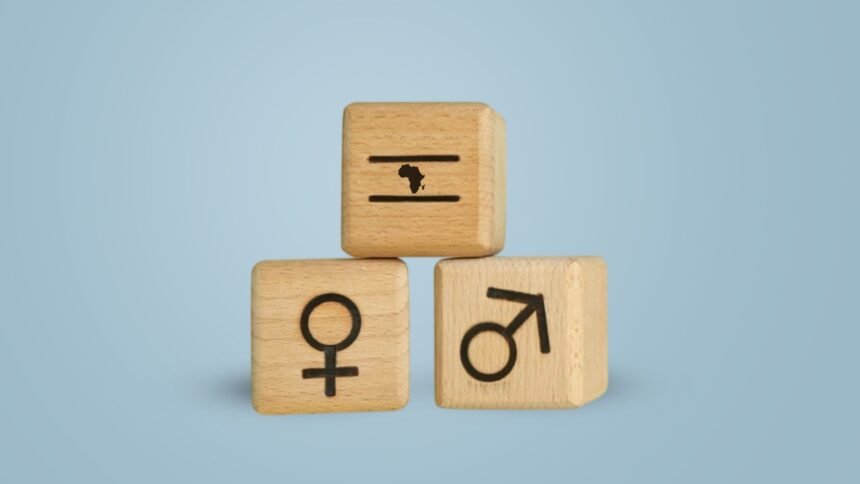
Pan-African Unity: Building Blocks for Gender Justice
The period spanning 2015 to 2025 represents a complex tapestry in the Pan-African quest for gender equity, blending aspirations of unity with the harsh realities of uneven implementation. In 2015, as the world shifted from the Millennium Development Goals to the Sustainable Development Goals, Africa stood at a crossroads. SDG 5, dedicated to gender equality, aligned with the African Union’s Agenda 2063, which positioned women’s empowerment as vital to continental integration and prosperity. This era saw the consolidation of foundational instruments such as the Maputo Protocol, ratified by approximately 40 states by 2015, which pledges to combat discrimination, harmful traditions, and barriers to health and education.
Over the decade, ratifications climbed to 46 by 2025, signaling broader acceptance amid growing feminist networks and youth activism. The African Union Strategy for Gender Equality and Women’s Empowerment (2018-2028) further integrated these goals by fostering collaboration with UN Women through joint programs on peace, security, and economic inclusion. Initiatives such as the African Women’s Decade (2010-2020), extended in spirit, emphasized education and leadership, with campaigns targeting child marriage and female genital mutilation. Yet by 2025, external forces—particularly the resurgence of conservative ideologies in the United States under a second Trump administration—had intensified the challenges. Funding cuts to USAID programs dismantled critical support for health and violence prevention, reversing gains in regions like sub-Saharan Africa, where maternal mortality remained stubbornly high.
Historically, Pan-Africanism has rooted women’s rights in decolonial struggles, drawing on icons such as Funmilayo Ransome-Kuti and Wangari Maathai. However, 2025 data from UN Women’s Gender Snapshot revealed 351 million women and girls in extreme poverty, a stagnation from 2020 figures, underscoring how economic crises, conflicts in Sudan and the Democratic Republic of Congo, and climate disruptions amplified vulnerabilities. Compared with 2015’s optimistic reforms, 2025 revealed a widening chasm: while normative frameworks advanced, practical enforcement faltered, necessitating renewed continental solidarity to bridge policy and impact.
Women’s Empowerment: Pathways to Political and Economic Influence
Women’s roles in governance and economies evolved incrementally yet inconsistently from 2015 to 2025, reflecting both triumphs of agency and enduring structural hurdles. In 2015, women held roughly 24 percent of parliamentary seats across the continent, bolstered by quota systems in countries such as Rwanda, where representation exceeded 60 percent, and South Africa, where representation approached parity in some assemblies. Economic landscapes were marked by informality, with women comprising the majority of unregulated workers, facing wage disparities averaging 30 percent and restricted land ownership—only about 38 percent reported any form by mid-decade.
By 2025, parliamentary representation inched to around 27 percent, according to the Global Gender Gap Report, driven by affirmative action in countries such as Namibia, which elected its first female president, and Ghana’s push for girls’ education through sanitary pad provisions. Economic empowerment was evident in urban entrepreneurship, with over 50 percent of graduates in several states being women, who are influencing the tech and diplomacy sectors. UN Women and AU partnerships amplified this through training in leadership and digital skills, aligning with Agenda 2063’s innovation pillars. Nonetheless, the Afrobarometer surveys highlighted discrepancies: public support for equality existed, but reality lagged, with women in conflict zones like the DRC facing displacement and exploitation.
Compared with 2015, the decade brought greater visibility: women-led movements challenged patriarchal norms, and policies such as Kenya’s gender budgeting aimed at equity. However, regressions in 2025, fueled by anti-rights conferences in Uganda and Kenya promoting “family values” over empowerment, eroded progress. Economic gaps widened amid debt burdens and aid cuts, leaving women disproportionately in poverty. True empowerment requires dismantling these barriers, ensuring onlythat women’s voices shape not just policies but also the continent’s future trajectory.
Protection Imperatives: Safeguarding Lives and Liberties
Efforts to protect women from harm intensified in scope but grappled with pervasive threats throughout 2015-2025. In 2015, gender-based violence was acknowledged as a crisis, with prevalence rates exceeding 30 percent in many countries, prompting legal reforms in nations like Ethiopia and Nigeria to criminalize domestic abuse and trafficking. Continental campaigns, supported by AU declarations, focused on survivor support and norm-shifting education.
By 2025, responses escalated: high-burden states declared GBV national emergencies, and digital violence emerged as a new frontier during the 16 Days of Activism under UN Women’s “UNiTE to End Digital Violence” theme. Pan-African forums, including the Women, Peace and Security Agenda, which marked 25 years of UNSCR 1325, emphasized women’s roles in conflict resolution. Yet, statistics painted a grim picture—one in three women experienced violence in their lifetime, per WHO data, with surges in Sudan and Somalia amid wars. Funding shortfalls from USAID’s 83 percent program cuts closed clinics, heightening risks in humanitarian settings.
The decade’s evolution from 2015’s baseline reforms to 2025’s urgent calls reveals a resilience paradox: stronger laws coexisted with impunity, as seen in South Africa’s high sexual violence rates and Brazil’s femicide parallels. However, Africa-specific contexts like child marriage affected millions. Protection demands holistic approaches—bolstering shelters, justice systems, and community interventions—to transform rhetoric into safety.
Reproductive Health Sovereignty: Claiming Bodily Rights
Reproductive health became a fiercely contested domain, with advances overshadowed by regressions from 2015 to 2025. In 2015, Africa grappled with the world’s highest maternal mortality—over 500 deaths per 100,000 births in sub-Saharan regions—exacerbated by limited contraception (usage below 30 percent in many areas) and bans on safe abortion. Efforts targeted harmful practices, with bans in more than 20 countries by then.
Progress by 2025 included expanded family planning in Rwanda and Senegal, reductions in child marriage rates through community programs, and adolescent health initiatives that curbed early pregnancies. AU-UN Women strategies prioritized access, aligning with SDG targets. However, 2025’s ideological assaults—US threats to destroy $10 million in contraceptives, leading to shortages in the DRC and projected 174,000 unintended pregnancies—reversed strides. The expanded Global Gag Rule halted aid to abortion providers, affecting HIV programs in Kenya.
Compared to 2015, normative gains, such as increased ratifications of reproductive rights protocols, clashed with acute backlash, as “family values” rhetoric at conferences in Sierra Leone prioritized restrictions over autonomy. Women’s bodily integrity remains pivotal; without secure supplies and education, health disparities persist, underscoring the need for self-reliant African solutions.
GBV Eradication: Illuminating Persistent Threats
Gender-based violence, intersecting all rights spheres, transitioned from a hidden scourge to a foregrounded priority over the decade. In 2015, framed as a “silent epidemic,” it affected over 30 percent of women, driven by conflict, poverty, and cultural norms, with limited reporting mechanisms.
By 2025, global campaigns and regional data—such as Nigeria’s Womanity Index, which scored 61.9 percent on GBV response—heightened awareness, including of digital abuse. Survivor-centered models advanced in urban centers, with AU conventions on ending violence marking 20 years of the Maputo Protocol. Yet, rates escalated: in Gaza parallels, two women died hourly in conflicts; in Africa, intimate partner violence and femicide surged, per HRW reports.
From 2015’s foundational laws to 2025’s mobilizations, GBV’s entrenchment demands profound shifts—addressing root causes such as patriarchal structures and aid disruptions that exacerbate vulnerabilities in fragile states.
Pan-African Prospects: Navigating Obstacles and Aspirations
The 2015-2025 arc for women’s rights in Africa encapsulates endurance against erosion. Frameworks fortified, movements amplified, and commitments deepened via AU-UN Women alliances. However, 2025’s conservative incursions—funding dismantlements, anti-rights alliances—compounded conflicts, poverty, and inequalities, stalling poverty reduction for 376 million women.
Future pathways rest on solidarity: elevating youth leadership, domestic funding for gender initiatives, and countering global backlashes. Centering women in Agenda 2063 ensures equality as Africa’s bedrock, turning lessons into lasting equity.