



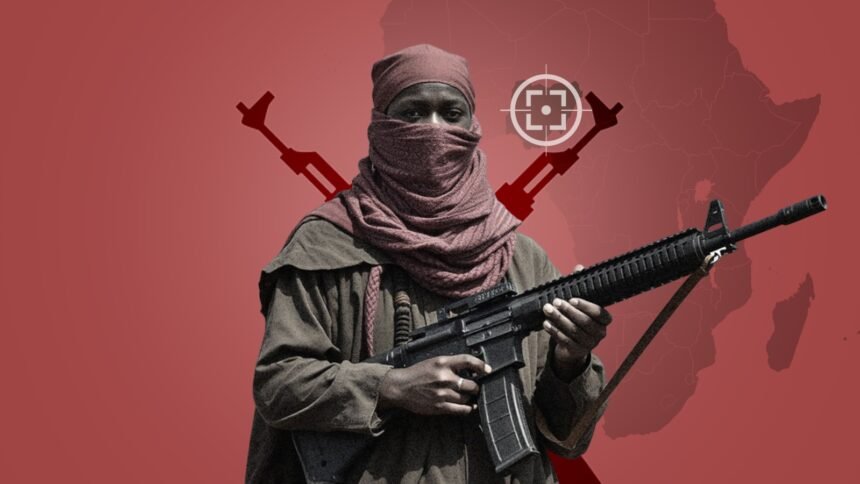
The US military’s Christmas Day 2025 strikes in northwest Nigeria’s Sokoto State, targeting Islamic State-affiliated Lakurawa militants with over a dozen Tomahawk missiles, represent a bold yet contentious escalation in America’s African counter-terror engagements. Launched from a Navy warship in the Gulf of Guinea, the operation—coordinated with Nigerian authorities—killed multiple militants, according to AFRICOM. However, off-target missiles near Jabo village sparked local fears. Framed by President Trump as vengeance against “ISIS terrorist scum” persecuting Christians, the strikes highlight ideological divides while exposing risks of external interventions in Nigeria’s hybrid insecurity landscape. This analysis probes the strikes’ implications amid ISIS’s enduring African presence, from Boko Haram’s ISWAP splinter to Sahelian spillovers, advocating Pan-African-led protections over unilateral actions.
Pan African Perils: Strikes in Jihad’s Expanding Theater
Pan-African perils intensify with US strikes piercing Nigeria’s jihadist theater, where ISIS’s Sahelian and West African franchises fuel continental displacements exceeding 4 million in 2025. Sokoto’s Lakurawa, a herder-jihadist hybrid aligned with Islamic State Sahel Province (ISSP) since 2017, operates in border forests with Niger, taxing communities and launching attacks amid climate-driven migrations, shrinking pastures by 60 percent. The December 25 barrage—Tomahawks hitting two camps, killing “multiple” per AFRICOM—comes amid Trump’s warnings of Christian “genocide,” yet locals report explosions shaking Jabo without casualties, underscoring precision challenges.
This theater echoes Mozambique’s ISIS raids, displacing 300,000 since July, or Mali’s JNIM blockades, starving Bamako. Pan-African responses falter: AU’s AMISOM in Somalia inspires, yet ECOWAS coups isolate junta leaders, leaving coastal Ivory Coast fortifying against incursions. Strikes’ perils demand vigilance: unilateral U.S. actions risk radicalizing Muslims in Nigeria’s 53 percent Islamic north, where violence claims Muslims and Christians alike per ACLED data. Continental safeguards—AU intelligence hubs fusing Nigerian drones with Mozambican patrols—must bridge divides, lest strikes ignite broader jihad.
Nigerian Nightmares: Strikes in Hybrid Horror
Nigerian nightmares deepen with US strikes illuminating Sokoto’s hybrid horror, where Lakurawa’s ISIS links blend herder vendettas with jihad, terrorizing a region with 74 percent poverty. The Christmas assault—over 12 missiles from a destroyer—targeted camps near Tangaza, fleeing fighters spotted by Niger patrols, yet “sketchy” intel per Defence Blog questions hits, with fragments near Jabo’s clinic igniting panic sans deaths.
Horror’s roots: Boko Haram’s 2009 uprising against “haram” education splintered into ISWAP by 2016, now 3,000 strong in Lake Chad, while Lakurawa probes northwest since 2017. Strikes follow Papiri’s November abduction—315 pupils, 230 freed in December—highlighting ransom nets $2 billion annually. Tinubu’s “joint op” narrative contrasts with Trump’s “Christian slaughter” focus, ignoring ecumenical toll—80 percent Muslim victims. Nightmares persist without addressing drivers: 42 percent of youth joblessness recruits amid herder-farmer wars killing 4,000 in 2025. Strikes’ horror demands local agency: community rangers over foreign firepower.
US-Nigeria Nexus: Strikes’ Diplomatic Double-Edge
The US-Nigeria nexus strains under the diplomatic double edge of strikes, where Trump’s October “guns-a-blazing” threats culminate in December 25’s “present,” rebranding the Pentagon as the “Department of War” under Hegseth, who teases “more to come.” AFRICOM’s “multiple killed” clashes with Jabo’s off-target reports, while Tuggar affirms cooperation, greenlighting ops from Ghanaian bases for prior surveillance.
Double-edge cuts deep: U.S. intel-sharing aids Super Tucanos reclaiming Borno, yet genocide rhetoric risks backlash in Nigeria’s multi-faith fabric, echoing Obama’s 2015 election meddling accusations. Nexus pivots on sovereignty: Abuja sets targets yet questions their efficacy, fearing that strikes could alienate Fulani herders who blend with the Lakurawa. Diplomatic recalibration is essential: joint task forces should respect Tinubu’s lead, lest a double-edged sword severs alliances amid Sahel spillovers.
Counter-Terror Contours: Strikes’ Tactical Trade-Offs
Counter-terror contours reshape with US strikes’ tactical trade-offs, where Tomahawks’ precision yields “perfect strikes” per Trump, yet off-course missiles expose risks in Sokoto’s dense forests. AFRICOM assesses militant deaths, but no civilian toll claims mask potential backlash, mirroring Syria’s December vengeance ops killing dozens.
Trade-offs amplify: Nigeria’s 40,000 troops overstretch against ISWAP, bandits, separatists; strikes fill gaps but undermine local legitimacy. Contours parallel Sahel: Mali’s Wagner mine guards cede to JNIM, while Mozambique’s Rwandan deployments stall ISIS surges, displacing 300,000. Effective contours demand hybridity: U.S. drones fused with Nigerian vigilantes, bridging tactical wins with strategic stability.
Boko Haram Legacies: Strikes Against ISIS Evolution
Boko Haram’s legacies evolve under strikes targeting ISWAP’s northwest offshoots, where 2009’s anti-education crusade splintered into 2016’s ISIS allegiance, now hybridizing with Lakurawa for border raids. Sokoto’s camps, hit on December 25, sheltered herder-jihadists taxing communities, echoing Papiri’s school siege—315 abducted, 230 freed.
Evolution defies strikes: ISWAP’s 3,000 fighters tax Lake Chad for $100 million, funding drones amid Gaza outrage, radicalizing youth. Legacies persist in Mozambique’s rubies or Central African massacres. Strikes disrupt but demand uprooting: deradicalization pods rehabilitating 2,500, countering legacies through equity.
ISIS’s Nigerian Nexus: Strikes in Radical Realms
ISIS’s Nigerian nexus endures strikes in radical realms, where ISWAP’s caliphate visions blend with banditry, terrorizing Sokoto with attacks claiming 1,200 in 2025. The December 25 barrage targets the Lakurawa camps, yet online fatwas—AI-generated on Telegram—continue to sustain recruitment amid 34 percent inflation.
Realms intersect Sahel: JNIM’s Mali alliances export tactics, while Mozambique’s displacements mirror Nigerian IDPs. Strikes disrupt nodes, but radical realms demand digital dismantling: AU patrols monitor 8,000 channels, fused with economic nets that lift poverty.
Protection Pathways: Strikes’ Safeguard Shadows
Protection pathways shadow US strikes’ safeguards, where Sokoto’s villages endure panic from off-target missiles, exposing gaps in Nigeria’s 1:800 police ratios. Jabo’s clinic fragments highlight risks, while Papiri’s rescues—230 freed—underscore community agency.
Shadows lengthen: strikes protect Christians per Trump, yet ecumenical violence demands inclusive shields. Pathways forge ahead: Pan-African rangers devolving security, agro-reserves easing herder conflicts, transforming shadows into sovereign safeguards.