




Pan African Horizons: Electoral Dynamics Shaping the Continent
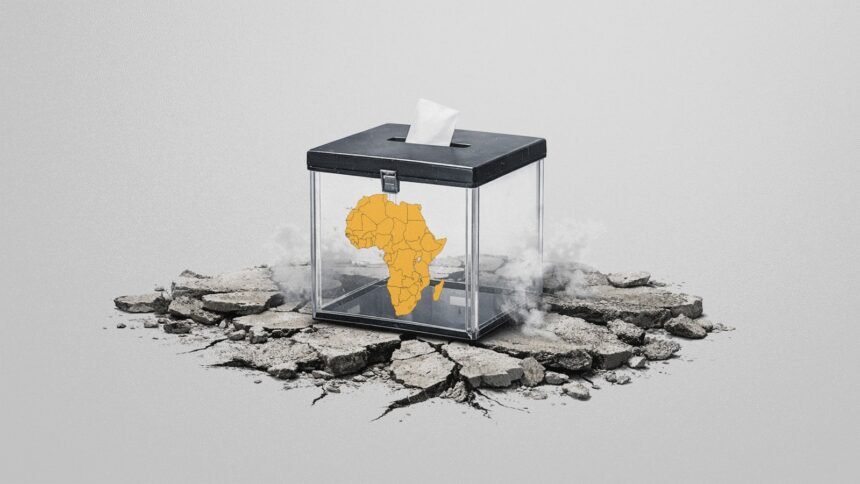
As Africa enters 2026, a series of pivotal general elections looms, poised to influence regional stability, economic trajectories, and geopolitical alignments. With a youthful population increasingly vocal about governance failures, these polls represent both opportunities for renewal and risks of deepened divisions. Drawing from 2025’s turbulent landscape—marked by post-electoral violence in Tanzania, coupvolutions in Madagascar, and persistent repression in Tunisia—the continent’s electoral calendar underscores ongoing tensions between entrenched elites and demands for accountable leadership. Global economic pressures, including subdued growth and inflation, further amplify stakes, potentially fueling unrest in nations grappling with poverty and inequality. This Pan-African lens reveals how the 2026 elections could either reinforce authoritarian trends or catalyze inclusive shifts, echoing broader struggles for self-determination.
Elections Panorama: Key Polls on the Horizon
The electoral slate for 2026 features a diverse array of contests, from presidential races to parliamentary renewals, spanning East, West, and Southern Africa. Uganda begins the year with general elections on January 15, in which long-serving President Yoweri Museveni seeks a seventh term amid accusations of preemptive crackdowns. Benin’s presidential vote follows on April 12, testing the nation’s hybrid democratic model under President Patrice Talon, who has faced criticism for opposition exclusions. Ethiopia’s June 1 general elections stand as a centerpiece, aiming to solidify Prime Minister Abiy Ahmed’s Prosperity Party dominance despite regional insurgencies. Zambia’s August 13 polls will scrutinize President Hakainde Hichilema’s economic reforms, while Gambia’s December 5 presidential contest will assess President Adama Barrow’s tenure following the 2021 controversies. South Sudan’s December 22 general elections, repeatedly delayed, round out the year and are overshadowed by fragile power-sharing arrangements. Somalia’s spring vote introduces direct suffrage reforms, potentially reshaping clan-based politics. These events, often framed as exercises in legitimacy, highlight varying degrees of competitiveness amid security and economic vulnerabilities.
Political Transition Tensions: Navigating Power Shifts
Political transitions in the 2026 electoral context carry inherent risks, particularly when incumbents seek to extend their influence. In Ethiopia, the push for access to the sea via Eritrea’s Assab port frames the vote as existential, potentially escalating border disputes and internal rebellions in Tigray, Amhara, and Oromia. Uganda’s cycle echoes patterns of violence, with opposition figures like Robert Kyagulanyi (Bobi Wine) alleging rigged preparations and security provocations. South Sudan’s fragile accord between Salva Kiir and Riek Machar is at risk of collapse, risking convergence with Sudan’s civil war and derailing the election. Benin’s contest may see opposition boycotts, mirroring 2025’s exclusions elsewhere, while Zambia’s focuses on fiscal austerity amid public discontent. Somalia’s shift from indirect to direct voting could fragment alliances, thereby exacerbating al-Shabab’s threat. These transitions, influenced by external actors such as the Gulf states and China, underscore how geopolitical realignments—such as declining U.S. engagement—complicate domestic handovers.
Democracy Struggles Renewal: Contested Legitimacy and Repression
Democracy struggles intensify as 2026 elections approach, with many anticipated as perfunctory rituals amid crackdowns on media and civil society. Ethiopia’s deteriorating security and potential boycotts by groups such as the Oromo Federalist Congress signal fears of illegitimacy, compounded by fiscal reforms that fuel insurgencies. Uganda’s authoritarian drift, including arrests and violence, mirrors Tunisia’s 2025 hunger strikes against judicial overreach. South Sudan’s brinkmanship risks civil strife, while Gambia’s vote tests post-dictatorship gains against economic woes. Across these, patterns from 2025—such as Tanzania’s deadly post-poll clashes and Madagascar’s junta consolidations—illustrate how manipulated processes erode trust, inviting accusations of fraud and foreign meddling. Economic crises, with rising poverty and shortages, further erode democratic faith, thereby amplifying narratives of elite corruption and threats to sovereignty.
Gen Z Protests Momentum: Youth as Catalysts of Change
Generation Z’s role in the 2026 elections builds on the momentum of 2025, when youth-led actions disrupted entrenched systems. In Uganda, digital-savvy protesters may challenge Museveni’s bid, echoing Tanzania’s polling station sieges and Kenya’s fiscal revolts. Ethiopia’s cost-of-living protests could intersect with electoral demands, mobilizing against Prosperity Party dominance. South Sudan’s youth, scarred by conflict, might demand inclusive transitions, while Somalia’s reforms could spark urban unrest if perceived as centralizing power. Drawing on Madagascar’s coupvolution and Tunisia’s cross-ideological strikes, Gen Z’s leaderless, tech-driven tactics—viral campaigns and barricades—pose threats to rigged outcomes, potentially forcing concessions amid economic grievances, such as unemployment exceeding 40 percent in key demographics.
Inclusion Imperatives: Forging Equitable Futures
To foster electoral stability in the 2026 elections, inclusion must transcend rhetoric and address youth and marginalized voices through reforms such as quotas and transparent processes. Pan-African mechanisms, including African Union observer missions, could mitigate boycotts and violence by enforcing charters against manipulation. Economic integration initiatives may alleviate crises that fuel unrest, while regional blocs such as ECOWAS counter Sahel spillovers. Embracing Gen Z’s demands for accountability could transform tick-box exercises into genuine transitions, mitigating risks in Ethiopia’s insurgencies or Uganda’s authoritarianism. Ultimately, prioritizing inclusion—through civil society engagement and fair competition—has the potential to renew democracy, turning electoral crossroads into pathways for resilient, equitable governance across the continent.