


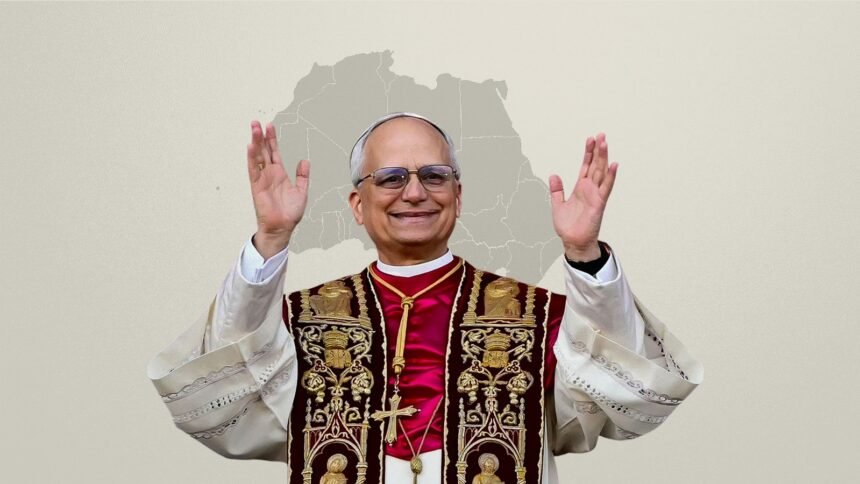
Amid Africa’s turbulent landscape, where political unrest simmers in nations grappling with economic disparities, ethnic divisions, and governance failures, Pope Leo XIV’s April 2026 tour emerges as a pivotal moment. Visiting Algeria, Angola, Equatorial Guinea, and Cameroon, the pontiff’s itinerary underscores faith’s potential as a transcendent force, capable of bridging impasses in Christian-majority countries plagued by stalled dialogues. In regions where negotiations have ossified, yielding to violence and repression, Christianity, with its emphasis on reconciliation and shared humanity, offers a unifying ethos. This journey, the pope’s first major African engagement since his 2025 election, could catalyze interfaith and intrafaith initiatives, fostering breakthroughs in entrenched conflicts and promoting a Pan-African vision of stability rooted in spiritual solidarity.
Pan-African Tapestry: Weaving Faith into Unity
Pan-Africanism, with its call for collective self-determination, finds a resonant ally in faith traditions that transcend borders and ethnic lines. Across the continent, political unrest manifests in diverse forms: Sudan’s protracted civil war displacing millions, Ethiopia’s Tigray tensions risking regional spillover, and Sahel insurgencies blending jihadism with resource scarcity. In Christian-dominant nations like Angola, Equatorial Guinea, and Cameroon, destinations on Pope Leo’s itinerary, unrest stems from authoritarian entrenchment, economic grievances, and separatist aspirations. Angola’s fuel subsidy cuts sparked deadly protests in 2025, claiming lives amid police crackdowns, while pre-2027 electoral anxieties heighten divisions. Equatorial Guinea’s iron-fisted rule suppresses dissent through internet blackouts and civil society restrictions, fostering fragility without overt violence. Cameroon’s Anglophone crisis, ongoing since 2017, has killed thousands and displaced over half a million, with post-2025 election fraud allegations igniting urban clashes. These stalemates, marked by failed mediations and eroded trust, cry for innovative approaches. Faith, particularly Christianity’s 20% continental foothold, serves as a common thread, enabling dialogues that secular politics cannot. Historical precedents abound: churches mediated Nigeria’s civil war reconciliation and facilitated South Africa’s Truth and Reconciliation Commission. In contemporary Africa, faith actors de-escalate grassroots violence through moral suasion, offering a pathway to unity where state mechanisms falter.
Sacred Dialogues: Christianity & Interfaith Harmony
Christianity’s growth in Africa, now home to one-fifth of global Catholics, intersects with vibrant interfaith landscapes, positioning it as a bridge-builder in politically fractured societies. In Christian-majority Angola and Cameroon, where unrest pits communities against autocratic regimes, faith communities have historically advocated for justice and inclusion. Angolan churches, drawing from liberation theology roots, have critiqued economic inequalities fueling protests, while Cameroon’s bishops have condemned Anglophone atrocities, calling for inclusive governance. Equatorial Guinea’s Catholic heritage, amid authoritarianism, provides latent space for advocacy, though suppressed. Even in Muslim-majority Algeria, the tour’s inclusion highlights interfaith potential: St. Augustine’s Algerian origins symbolize shared spiritual legacies, fostering Catholic-Muslim dialogue amid regional tensions, such as Sudan’s war. Faith’s unifying role lies in its emphasis on forgiveness and communal healing, principles that break deadlocks in negotiations. In Ethiopia’s conflicts, Christian leaders have mediated ethnic rifts, while Central African Republic interfaith councils have curbed militia violence. By leveraging moral authority, Christianity encourages adversaries to view opponents as kin, transcending political stalemates. Pope Leo’s presence could amplify this, convening stakeholders for faith-infused talks that prioritize human dignity over power.
Pontifical Pathways: Pope Leo & Vatican Engagement
Pope Leo XIV, succeeding Francis in 2025, inherits a Vatican legacy of African advocacy, now channeling it toward unity in unrest-plagued nations. His April itinerary, Algeria (April 13-15), Cameroon (15-18), Angola (18-21), Equatorial Guinea (21-23), strategically targets diverse contexts, emphasizing the Church’s continental priority. In Algeria, the first papal visit ever, Leo’s Augustinian ties underscore historical bonds, promoting interfaith coexistence amid Sahel spillovers. Cameroon’s stop addresses Anglophone divisions, where Vatican mediation could revive stalled talks. Angola’s vibrant Catholicism, with youth-driven renewal, offers platforms to tackle economic unrest through faith-based social justice. Equatorial Guinea’s inclusion spotlights the toll of authoritarianism, urging reforms through moral exhortation. Leo’s prior missionary experience in Peru equips him for grassroots engagement, potentially convening roundtables with leaders, civil society, and interfaith groups. Vatican’s diplomatic heft, evident in past African interventions, positions Leo as a neutral arbiter, breaking negotiation inertia. By invoking Gospel imperatives of peace, the tour could inspire confidence-building measures, such as ceasefires or inclusive dialogue, in Christian contexts where secular efforts have failed.
Turbulent Crossroads: Political Unrest & Faith Diplomacy
Political unrest in Africa’s Christian nations often stems from governance failures, where negotiations stall amid mistrust and power imbalances. Cameroon’s Anglophone crisis exemplifies this: separatist demands unmet, violence persists despite sporadic talks. Angola’s pre-electoral tensions, fueled by inequality, risk escalation without inclusive forums. Equatorial Guinea’s repression silences dissent, perpetuating instability. Faith diplomacy offers a breakthrough: leveraging Christianity’s communal ethos to humanize adversaries and foster empathy. In Nigeria, churches bridged Biafran war divides; in South Africa, faith propelled apartheid’s end. Pope Leo’s tour could apply this model, mass gatherings inspiring grassroots reconciliation, while high-level meetings urge political concessions. Interfaith elements, vital in mixed contexts like Cameroon, extend this to Muslim minorities, countering radicalization. By framing unrest as a spiritual call for justice, faith diplomacy revives stalled processes and emphasizes shared values over zero-sum politics.
Harmonious Futures: Pathways to Coexistence
Envisioning coexistence, Pope Leo’s tour seeds long-term unity in Africa’s unrest. In Christian-majority lands, faith’s unifying power, rooted in compassion, can dismantle barriers to division, promoting hybrid models that blend traditional mediation with modern governance. Post-tour initiatives, such as Vatican-backed interfaith councils, could sustain dialogue in Cameroon and Angola, addressing root causes like inequality. Equatorial Guinea might see eased restrictions, fostering civil society. Pan-Africanly, this amplifies the Church’s role, inspiring regional bodies to integrate faith actors in peacebuilding. Ultimately, faith as a unifier transforms stale negotiations into dynamic reconciliations, paving the way for harmonious futures where diversity strengthens, not divides, the continent.