



Pan-African: Regional Vulnerability in the Global Climate Crisis
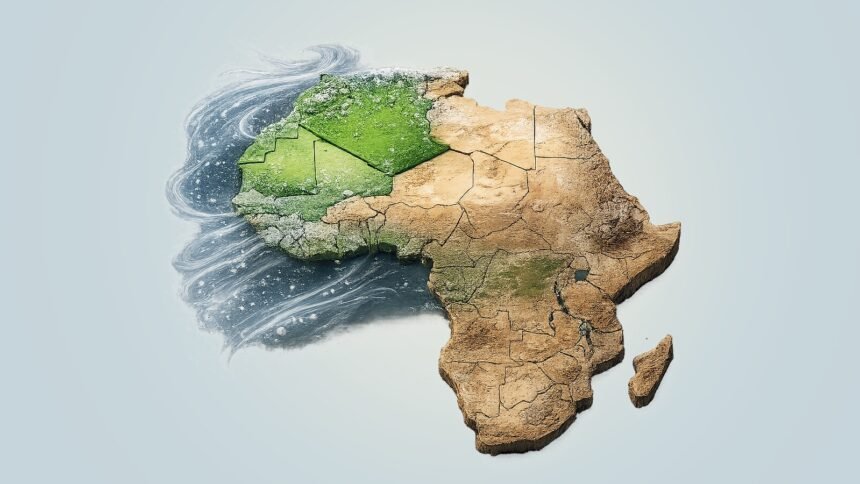
Across the African landscape, the impacts of climate change are not felt uniformly, yet they present a collective threat to the continent’s developmental aspirations. The Arab Maghreb, situated at the intersection of the Mediterranean and the Sahara, serves as a critical sentinel for the wider Pan-African community. The region’s experience with rapidly shifting weather patterns, from prolonged droughts to sudden, violent storms, reflects a broader continental challenge: the need for resilient, indigenous climate strategies that protect both livelihoods and ecosystems. As North Africa faces these ecological disruptions, its response serves as a blueprint for adaptive governance across the continent.
Climate & Weather Outlook in Arab Maghreb: A Transition to Extremes
The climatic outlook for the Arab Maghreb in 2026 is characterized by increasing volatility and a departure from historical norms. While the region is traditionally accustomed to arid and semi-arid conditions, the frequency of “off-season” phenomena has intensified. A complex interaction between a warming Mediterranean sea and upper-air atmospheric disturbances drives this outlook. These shifting dynamics have shortened the traditional transitional seasons, leading to more frequent encounters between hot precursor air masses and cold fronts and weather events that are increasingly difficult to predict with legacy models.
Extreme Weather & Climate Change: The Mediterranean-Sahara Interface
The Maghreb is currently experiencing the tangible effects of climate change, including intensified extreme weather events. The scientific consensus suggests that as global temperatures rise, the atmospheric capacity to hold moisture increases, leading to more violent energy releases. In April 2026, the region witnessed a series of severe thunderstorms fueled by unusually high precursor temperatures. These events demonstrate that climate change in the Maghreb is not just a gradual increase in heat. Still, a destabilization of the entire atmospheric column, leading to “flash” weather events that can transform a landscape in a matter of hours.
Hail & Sandstorms: The Visual Shift of the Landscape
In a series of extraordinary events during mid-April 2026, parts of Algeria and Tunisia were covered in layers of hail so deep they resembled snow. In Algerian towns such as Oum Ladjoul and Hammam Sokhna, hail accumulations reached depths of 3cm, while Makthar in Tunisia saw stones up to 3cm in diameter. These “hail sheets” are indicative of the high-intensity supercell storms now affecting the region. Simultaneously, the Maghreb remains vulnerable to massive sandstorms that can sweep across the plains, reducing visibility to zero and transporting Saharan dust as far as Southern Europe. Together, these phenomena represent a visual and physical shift in the regional environment, where the traditional “sun-drenched” image of the Maghreb is increasingly interrupted by chilling, violent outbursts.
Farming & Livestock: The Resilience of the Rural Economy
The rural economy of the Maghreb, which is heavily dependent on rain-fed agriculture and livestock, remains the sector most vulnerable to these extreme shifts. Sudden hail accumulations can be devastating for fruit orchards and cereal crops, physically destroying yields in a single afternoon. Furthermore, the “heavy downpours” associated with these storms often lead to flash flooding, which can wash away topsoil and endanger livestock. For the smallholder farmers of the Atlas foothills, climate change is a direct threat to food security, necessitating a shift toward more resilient crop varieties and improved weather-warning systems to protect their primary assets.
Tourism: The Economic Impact of Climatic Volatility
Tourism, a vital pillar for the economies of Tunisia and Morocco, is increasingly sensitive to the region’s climatic volatility. While the Maghreb has historically attracted visitors seeking a Mediterranean climate, the rise of extreme weather events presents a reputational and operational challenge. Sudden hailstorms or unseasonable cold snaps can disrupt travel itineraries and damage the infrastructure of coastal resorts. Conversely, the “hot precursor conditions” that fuel these storms can lead to heatwaves that make outdoor tourism difficult. For the sector to remain viable, it must adapt by diversifying its offerings and investing in climate-resilient architecture that can withstand both extreme heat and violent storm surges.
Adaptation & Mitigation: Building a Climate-Resilient Maghreb
The way forward for the Arab Maghreb involves a fundamental commitment to both adaptation and mitigation. This requires a move beyond reactive disaster management toward proactive “green growth.” Adaptation strategies must prioritize water security through desalination and efficient irrigation, while mitigation efforts focus on leveraging the region’s immense solar potential to reduce carbon dependency. By integrating climate risk into national development plans, Maghreb nations can build a “buffer” against the atmospheric instability of the 21st century. Ultimately, the goal is to ensure that the region’s development is commensurate with its environmental reality, securing a stable future for its people in the face of an unpredictable global climate.