






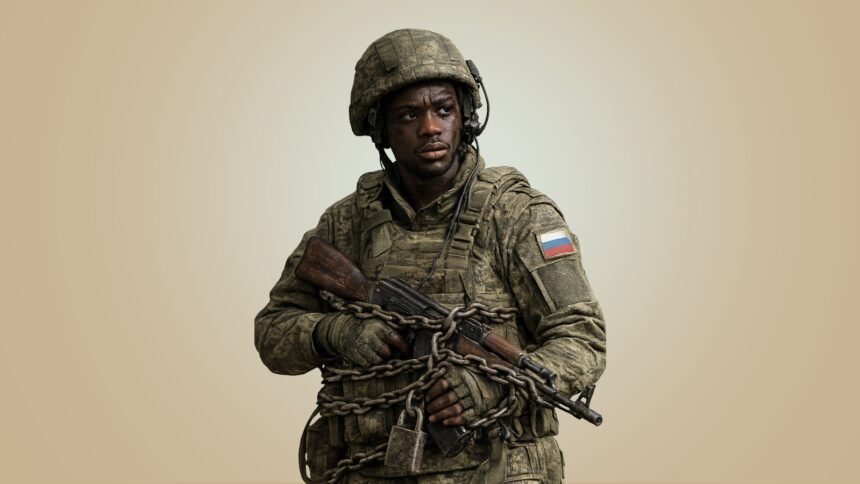
In the shadow of Africa’s burgeoning youth bulge, where over 121 million young people languish unemployed or unschooled, a perilous new migration pathway has emerged, channeling desperate seekers of fortune not to bustling European metropolises or Gulf labor markets, but to the frozen killing fields of Ukraine. This phenomenon, driven by Russia’s insatiable need for cannon fodder in its protracted war, masquerades as opportunity: promises of high wages, citizenship, and civilian jobs that evaporate upon arrival, replaced by coerced combat roles with staggering fatality rates. Unlike traditional immigration flows chasing economic uplift, this shift is a lethal trap, ensnaring thousands from 36 nations in a hybrid of human trafficking and mercenarism. By January 2026, estimates peg over 1,400 Africans in Russian ranks, many tricked via social media, gaming apps, and fake agencies, only to face racist abuse, forced suicide missions, and near-certain death. This deadly diaspora undermines Pan-African aspirations for self-reliance, perpetuating exploitation while bolstering Moscow’s imperial resurgence, demanding urgent continental reckoning.
Fractured Horizons: Pan-African Youth and the Russia-Ukraine Vortex
The Russia-Ukraine war, entering its fourth year by 2026, has morphed into a global scavenger hunt for human resources, with Africa’s demographic dividend, 60% under 25, becoming prime quarry. Pan-African ideals, rooted in unity against external predation, now confront a grim irony: young Africans, heirs to liberation struggles, are commodified as expendable assets in a Eurasian conflict far removed from their realities. Recruitment narratives echo classic immigration lures, remittances to sustain families amid hyperinflation, passports unlocking global mobility, and salaries dwarfing local averages, but culminate in horror. A Cameroonian mechanic, enticed by a “caretaker” gig, endured four days of training before wounds in Kursk; a Senegalese fighter decried racism and inhumane treatment; Ghanaians promised security work saw only three of 14 survive a month. This shift in migration, propelled by the Afrobarometer-highlighted unemployment crisis, inverts the dream. Instead of building futures, it annihilates them, with recruits dubbed “disposable” in viral videos where Russian officers mock snow-bound Africans singing for survival.
Bear’s Deadly Bait: Mercenarism’s Grip in the Russia-Ukraine Storm
Mercenarism, rebranded through Africa’s Corps, the Kremlin’s formalized successor to Wagner, has institutionalized this deadly flow, blending state coercion with private deception. Russia’s manpower hemorrhage, exacerbated by domestic reluctance and prisoner depletion, has birthed elaborate schemes: Discord channels posing as gaming communities, Telegram ads for “shampoo factory” jobs, incentives like 150,000 rubles for enlisting foreigners. By 2026, these tactics span the continent, Kenya probes 200 distressed recruits after rescuing 22 paying $18,000 for bogus visas; South Africa charges five for trafficking 17 men promised bodyguard roles but dispatched to Donbas; Cameroon tallies 67 dead amid tightened soldier exits. Migrants arrive passport-less, funneled into “Storm-Z” penal units for human-wave assaults, facing 40% casualties. Videos reveal extremes: a recruit strapped with TM-62 mines, racial slurs hurled as he’s forced toward bunkers. This mercenarism-as-migration preys on vulnerability, offering $2,000–$3,000 stipends, life-changing in nations averaging $90 monthly, but delivering debt bondage and execution for desertion, prolonging the war as Putin bets on outlasting Ukraine and Western resolve.
Perilous Passage: Immigration’s Dark Evolution for Africa’s Restless Generation
This exodus reframes immigration as a fatal gamble, where young Africans, fleeing Sahel conflicts, Sudanese sieges, or South African blackouts, seek not asylum but illusory prosperity, only to encounter a deadlier border. Traditional routes to Europe or the Gulf, fraught with Mediterranean drownings or kafala abuses, pale against this: a one-way ticket to frontline oblivion, with recruits from Somalia, Egypt, Ghana, and beyond used as shields for seasoned Russians. By 2026, patterns solidify, Ethiopian athletes lured by “fake festivals,” Zimbabweans via mining fronts, Ugandans through agricultural ploys, all echoing brain drain but with body counts. Unlike voluntary diasporas remitting billions, this yields grief: families scour social media for missing kin, and returnees face trauma and stigma. Sudan’s 2025 naval base offer to Moscow, trading S-400s for Red Sea access, amplifies the peril, streamlining logistics for rotating Africans into Ukraine while extracting gold to fund the machine. This “immigration” shift, deadlier than desert treks or boat voyages, exploits digital connectivity, Discord, and Facebook for entrapment, inverting Pan-African mobility into a conveyor of death.
Echoes of Exploitation: Accountability in the Face of Continental Hemorrhage
Accountability remains elusive as African governments grapple with complicity and incapacity, while Russia’s charm offensive, grain deals, and nuclear pacts muffle outrage. Pan-African bodies like the AU decry mercenarism via 1977 conventions, yet enforcement falters: Kenya’s probes yield scant rescues; South Africa’s Foreign Legion Act nets arrests but not extraditions; Cameroon tightens borders amid 67 fatalities. Public backlash surges, #BringOurBoysHome trends, vigils in Pietermaritzburg chant against “Zuma trafficking,” polls show 78% viewing recruitment as treason. Yet, elite ties persist: Duduzile Zuma-Sambudla’s resignation amid charges exposes dynastic webs; BRICS affinities temper condemnations. To stem this deadly tide, continental imperatives emerge: AU youth protection accords, disinformation crackdowns, and vocational hubs rivaling ruble promises. Russia’s 2026 Africa Summit looms as a litmus—will it address exploitation or entrench it? Accountability demands Pan-African shields: harmonized laws, repatriation pacts, diversified alliances beyond Moscow’s grasp, reclaiming youth from steppe graves to forge sovereign futures.
Reclaiming the Compass: Toward a Pan-African Safeguard Against Fatal Flows
As 2026 dawns, this deadly “immigration” underscores a pivotal choice: perpetuate cycles of predation or reclaim agency. The Russia-Ukraine war’s African toll, over 1,400 lives bartered for imperial endurance, mirrors historical scrambles, yet offers a rallying cry. By bolstering institutions against deception, fostering intra-African opportunities, and asserting diplomatic muscle, the continent can transform this hemorrhage into resilience. No longer mere migrants to mortality, Africa’s youth deserve pathways to prosperity, not pitfalls to perdition, ensuring Pan-African unity eclipses the bear’s bloody embrace.


