




Africa-US Relations: Fractured Alliances in Flux
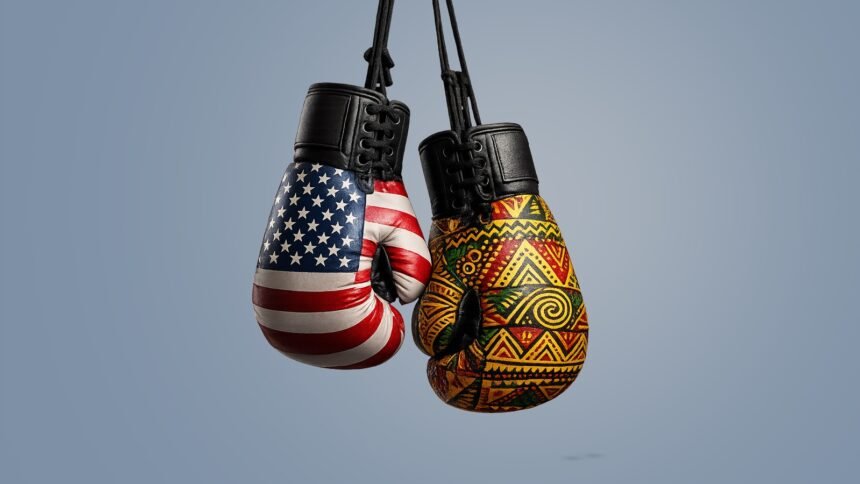
The evolving relationship between Africa and the United States has long been characterized by a blend of strategic partnerships and underlying tensions, in which economic interests intersect with security imperatives. In 2025, this relationship underwent significant strain as the second Trump administration prioritized stringent immigration controls, expanding travel restrictions to encompass numerous African nations under the guise of national security. Initially imposed on a dozen countries in June, these measures expanded to nineteen by December, including Sahel states such as Mali, Burkina Faso, and Niger, amid concerns about terrorism, visa overstays, and inadequate vetting. This policy shift, rooted in a broader “America First” agenda, curtailed entry for citizens from affected regions, prompting reciprocal actions that underscored Africa’s growing assertiveness. For nations such as Mali and Burkina Faso, governed by military juntas following coups, these bans represented not merely retaliatory gestures but also assertions of sovereignty against perceived unilateralism. As Washington withdrew diplomats and slashed aid—Africa being the largest recipient—these moves accelerated a pivot toward alternative powers, such as Russia and China, reshaping alliances and diminishing U.S. leverage in critical sectors, including mining and energy. This fractured dynamic highlights a continent increasingly unwilling to acquiesce to external dictates, setting the stage for a reevaluation of transatlantic ties.
Travel Bans: Cycles of Exclusion and Retort
The imposition of travel bans has emerged as a potent tool in contemporary geopolitics, cycling through exclusionary policies that provoke mirrored responses. The U.S. expansions in 2025 targeted a swath of African countries, citing heightened risks from terrorism and governance lapses, with full restrictions on nations including Burkina Faso, Mali, Niger, South Sudan, and others, alongside partial curbs on Angola, Benin, Côte d’Ivoire, Gabon, The Gambia, Malawi, Mauritania, Nigeria, Senegal, Tanzania, and Zambia. These measures, effective from January 1, 2026, barred immigrants and certain nonimmigrants, ostensibly to safeguard American interests following incidents like the Thanksgiving shooting involving an Afghan national. In a swift response, Mali and Burkina Faso imposed immediate bans on U.S. citizens, invoking reciprocity and decrying the lack of consultation. This tit-for-tat escalation, following Niger’s lead, amplified existing advisories against travel to these Sahel hotspots due to rampant terrorism, crime, and kidnappings—regions accounting for over half the world’s terrorism-related deaths. Such cycles not only hinder mobility but also exacerbate diplomatic rifts, as cooperative states like Liberia received visa extensions for complying with deportation demands, while defiant ones faced intensified isolation. The bans thus perpetuate a cycle of mutual exclusion, challenging the efficacy of coercive diplomacy in fostering global stability.
Mali: Sovereign Shields Against Intrusion
Mali’s response to U.S. travel restrictions embodies a resolute defense of national dignity amid turbulent internal dynamics. As a junta-led state grappling with jihadist insurgencies and economic woes, Mali rejected Washington’s security rationale, asserting that the bans were imposed without dialogue and ignored the nation’s efforts to combat threats. The immediate reciprocal ban on American nationals, announced on December 31, 2025, built upon prior measures, such as the October imposition of hefty bonds on U.S. business and tourist travelers—a policy that prompted Washington to delist Mali from similar requirements weeks later. This pattern reveals Mali’s strategic maneuvering, leveraging restrictions to assert autonomy while deepening ties with Russia, China, Turkey, and the UAE. The Sahel’s volatility, in which armed groups exploit vast ungoverned spaces, has long deterred foreign engagement, yet Mali’s actions signal broader resistance to perceived paternalism. By barring U.S. entry, Mali not only mirrors the exclusion but also safeguards its strategic sectors, such as gold mining, from undue influence. This sovereign shield, while straining bilateral relations, empowers Mali to redefine its international posture, prioritizing self-determination over subservience in an era of shifting global allegiances.
Burkina Faso: Resilient Echoes of Autonomy
Burkina Faso’s imposition of travel bans on U.S. citizens resonates as a bold echo of resilience, reflecting a nation forging its path amid post-coup reconstruction. Following the recent upheavals, under military rule, Burkina Faso aligned with Mali in enacting immediate restrictions on December 31, 2025, framing them as equitable countermeasures to Trump’s expansions. The U.S. policy, which lumped Burkina Faso into a cohort of high-risk states due to terrorism and vetting deficiencies, overlooked the junta’s initiatives to stabilize the country through alliances with non-Western powers. This retort underscores Burkina Faso’s pivot away from traditional dependencies, having severed ties with Washington and exited the Economic Community of West African States to form a new bloc with Mali and Niger. The bans, while symbolic given the limited extent of American travel to the region, amplify Burkina Faso’s autonomy, thereby protecting vital industries such as mining and energy from external encroachment. In a landscape scarred by over half the globe’s terrorism fatalities, such measures fortify national resolve, transforming exclusion into an opportunity for self-reliant growth. Burkina Faso’s stance thus serves as a testament to enduring autonomy, challenges hegemonic narratives, and fosters regional solidarity.
Pan African Solidarity: Unified Horizons Amid Adversity
In the shadow of U.S. travel bans, Pan-African solidarity emerges as a unifying force, bridging diverse nations in collective resistance to external impositions. The reciprocal actions by Mali, Burkina Faso, and Niger exemplify this ethos, drawing on the African Union’s principles to counter policies that disproportionately target the continent—twelve African states affected in the latest U.S. wave. This solidarity transcends borders, as evidenced in regional blocs advocating for equitable treatment and highlighting the bans’ adverse effects on people-to-people ties, education, and commerce. Youth movements and civil society across Africa amplify calls for unity, viewing these restrictions as echoes of historical marginalization. By forming alliances like the Sahel bloc, these nations not only dilute U.S. influence but also harness indigenous mechanisms for conflict resolution and development. In this context, Pan-Africanism fosters resilient horizons in which shared experiences of exclusion propel collaborative frameworks for security and economic interdependence. As rivals gain footholds in strategic domains, this unified front safeguards continental interests, transforming adversity into a catalyst for empowered, self-sustained progress.
Human Rights Implications: Mobility’s Moral Maze
The interplay of travel bans between the U.S. and Sahel states poses a moral dilemma, raising profound human rights concerns regarding freedom of movement and non-discrimination. U.S. restrictions, justified by security, inadvertently perpetuate stereotypes, stigmatizing entire populations and infringing on rights enshrined in international covenants like the Universal Declaration of Human Rights. For Mali and Burkina Faso’s citizens, these bans disrupt family reunifications, educational pursuits, and economic opportunities, exacerbating vulnerabilities in conflict-riddled regions. Reciprocal measures, while asserting equality, mirror these infringements and may violate principles of proportionality, thereby hindering humanitarian efforts. The bans’ ripple effects—displaced influence benefiting opportunistic actors—underscore the erosion of equity, as cooperative nations gain exemptions while others face blanket exclusions. This moral labyrinth demands scrutiny of its discriminatory underpinnings, urging a reevaluation in which human dignity supersedes geopolitical expediency. Ultimately, these implications highlight mobility as a fundamental right, challenging states to balance security with justice in an interconnected world.
Mutual Diplomacy: Bridges Beyond Bans
Amid the impasse of travel bans, mutual diplomacy offers bridges to transcend barriers, fostering dialogue that honors reciprocity and shared interests. The U.S. expansions and Sahel responses reveal a need for consultative approaches, in which unilateral actions yield to collaborative frameworks that address root causes such as terrorism and governance. Engagements, such as the U.S. envoy’s July visit to Mali for security and economic talks, demonstrate potential pathways, yet bans undercut these efforts, ceding ground to rivals. For Mali and Burkina Faso, diplomacy entails using sanctions to secure concessions, whereas Washington could incentivize reforms through targeted aid and partnerships. Regional mediators, including the African Union, play pivotal roles in brokering understandings that prioritize stability over standoffs. By rebuilding trust through transparent consultations and equitable policies, mutual diplomacy can dismantle exclusionary barriers, paving the way for renewed cooperation in trade, counterterrorism, and development. In this bridged future, bans evolve from symbols of division to catalysts for inclusive, resilient relations.