



The aftermath of the US military’s Christmas Day 2025 strikes in Nigeria’s Sokoto State has cast long shadows over bilateral relations and counter-terrorism strategies, exposing discrepancies in narratives and potential setbacks in combating jihadist threats. While Washington hailed the operation as a decisive blow against Islamic State militants to protect Christians, local accounts and expert analyses reveal off-target missiles hitting empty farms, minimal militant casualties, and heightened suspicions that undermine collaborative efforts. This analysis explores the strikes’ reverberations, from strained diplomacy to misaligned security priorities, advocating Pan-African-led protections to navigate the fallout and bolster resilience against enduring insurgencies like Boko Haram’s ISWAP splinter.
Pan African Ripples: Strikes’ Continental Repercussions
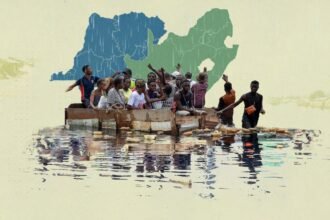
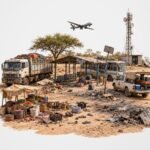
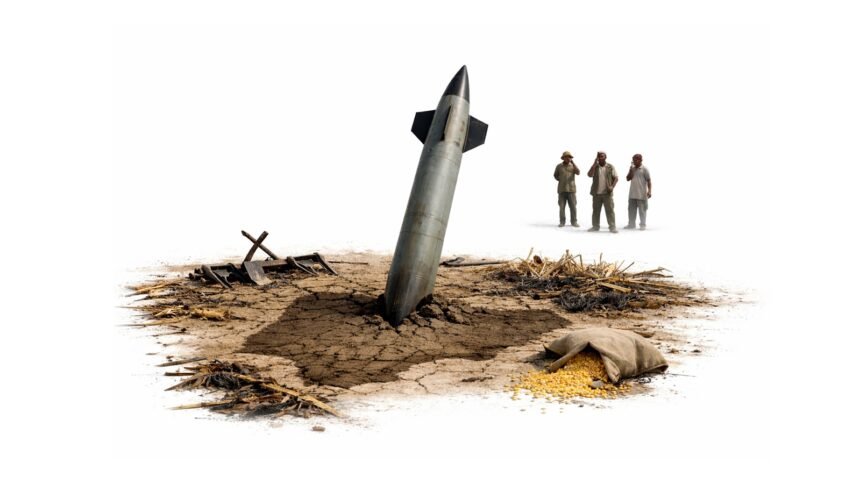
The US strikes in Nigeria send ripples across Pan-African security landscapes, where jihadist expansions from the Sahel to the Horn already displace millions and claim thousands of lives annually. In Sokoto, the operation—over a dozen Tomahawk missiles targeting Lakurawa camps—resulted in fleeing fighters and unexploded ordnance scattering near villages like Jabo and Offa, damaging farms and infrastructure without confirmed civilian deaths. This incident amplifies continental concerns: Mali’s JNIM sieges starve Bamako, Mozambique’s ISIS raids uproot 300,000 since July, and Central African mercenary voids enable atrocities.
Repercussions extend to regional alliances: ECOWAS fractures post-coups isolate Nigeria, while AU condemnations urge unity amid donor fatigue diverting aid to Ukraine and Gaza. Trump’s “Christian genocide” framing risks inflaming Muslim-majority communities continent-wide, potentially boosting recruitment for groups like al-Shabaab in Somalia or ISSP in Burkina Faso. Pan-African responses must counter this: intelligence-sharing hubs from Addis Ababa could mitigate fallout, fostering collaborative safeguards that prioritize sovereignty over external interventions, lest strikes exacerbate the very instabilities they aim to quell.
Nigeria-US Tensions: Diplomatic Discord Post-Sokoto
Nigeria-US tensions have escalated amid the diplomatic discord surrounding the strikes, as Washington’s unilateral rhetoric clashes with Abuja’s emphasis on joint operations, straining a historically robust partnership. Trump’s Truth Social post labeling targets “ISIS terrorist scum” targeting Christians prompted Nigeria’s foreign ministry to affirm coordination but reject confessional framing, with officials noting violence afflicts all faiths—80 percent Muslim victims in northern attacks. Post-strike, discrepancies emerged: AFRICOM claimed “multiple militants killed,” yet residents and analysts report missiles hitting empty fields, with no evidence of Lakurawa casualties.
This discord erodes trust: Nigeria’s “sketchy intel” admission and Trump’s threats of “more to come” evoke perceptions of neocolonial overreach, echoing Obama’s 2015 election critiques. Bilateral ties, anchored in $7 billion annual aid and Super Tucano sales, face fractures: visa bans and CPC designation alienate elites. At the same time, public backlash in northern Nigeria views strikes as anti-Muslim. Tensions demand recalibration: high-level dialogues to align narratives, ensuring US support bolsters rather than bypasses Nigerian sovereignty, preserving alliances crucial for regional stability.
Boko Haram Contexts: Strikes’ Misaligned Focus
Within Boko Haram contexts, the strikes reveal a misaligned focus on Lakurawa—a 200-fighter herder-jihadist hybrid—over deadlier northeast threats like ISWAP, which commands 3,000 and taxes Lake Chad for $100 million annually. Lakurawa, emerging in 2017 as protectors against bandits before turning radical, lacks ISWAP’s scale or ideological depth, per experts; strikes thus divert from Boko Haram’s legacies—2009 uprising splintering into 2016 ISIS allegiance—fuelling abductions like Papiri’s 315 pupils freed in December.
Misalignment risks backlash: off-target missiles in Sokoto damage farms, potentially radicalizing Fulani communities amid herder-farmer wars killing 4,000 in 2025. Boko Haram’s evolution—hybridizing with bandits for northwest incursions—demands nuanced approaches; strikes’ “genocide” frame ignores ecumenical violence, undermining deradicalization efforts rehabilitating 2,500 fighters. Contexts call for refocus: Nigeria-led ops targeting ISWAP strongholds, integrating community rangers to address roots like 42 percent youth joblessness, aligning efforts against the true Boko Haram menace.
Counter-Terrorism Crossroads: Efficacy Versus Escalation
At the counterterrorism crossroads, the efficacy of strikes wanes amid escalation risks, as tactical killings yield short-term disruptions but long-term backfires in Nigeria’s multi-front war. AFRICOM’s assessment of militant deaths contrasts local reports of empty camps hit, with no Lakurawa leaders confirmed eliminated; this mirrors French Barkhane’s Mali failures—tactical wins alienating populations, enabling JNIM’s 2025 advances.
Crossroads highlight trade-offs: US intel-sharing aids Super Tucanos reclaiming Borno, yet unilateral framing boosts jihadist propaganda amid Gaza outrage, radicalizing youth. Escalation looms: Hegseth’s “more to come” threatens sovereignty, potentially swelling the ranks of Lakurawa from displaced herders. Effective paths forward: hybrid models that fuse U.S. drones with Nigerian vigilantes, prioritizing intelligence over firepower to dismantle ransom networks worth $2 billion annually, and navigating crossroads toward sustainable containment.
Protection Paradigms: Safeguarding Amid Sovereignty Strains
Protection paradigms shift amid strikes’ sovereignty strains, where US actions aim to shield Christians but expose gaps in Nigeria’s safeguards for all citizens. Sokoto’s unexploded ordnance endangers farmers, while Jabo’s panic underscores risks to innocents in a region with a 1:800 police ratio; this strains protections for vulnerable groups amid 34 percent inflation diverting resources.
Paradigms evolve: strikes disrupt Lakurawa but alienate Fulani, complicating interfaith vigils mourning victims like priest Edwin Achi and safeguarding demands inclusive shields: devolved security with ethnic quotas, agro-reserves that ease herder conflicts, and Pan-African rangers monitoring borders. Amid strains, paradigms must prioritize Nigerian agency: joint ops respecting Abuja’s lead, transforming protections from external impositions to resilient, community-driven bulwarks against jihad’s shadows.