




The Pan-African Paradigm of Cultural Expressivism and Transnational Sovereignty
Across the African landscape, the contemporary configuration of global cultural expressivism operates at a sensitive crossroads between local historic memory and transnational diasporic exchange. The Pan-African vision for complete economic and cultural self-determination relies on establishing independent platforms capable of processing, documenting, and protecting the continent’s distinct creative outputs without ceding narrative authority to legacy colonial gatekeepers. When peripheral artistic expressions are subject to externalized commercial networks, they risk being flattened into singular, commercialized products that strip away their foundational geopolitical histories. Reclaiming the continent’s shared future demands a unified approach to cultural infrastructure, ensuring that language, music, and art function as primary anchors that actively stimulate domestic value retention and reinforce the dignity of the global African community.
Institutional Re-alignments and the Deconstruction of Post-Colonial Hierarchies
The contemporary macroeconomic and diplomatic profile of the French Republic is heavily shaped by its evolving and frequently tense institutional relationship with various African partner nations. Historically characterized by centralized post-colonial frameworks, this bilateral dynamic is undergoing a profound structural re-alignment as African civil societies, writers, and artists increasingly demand a complete deconstruction of legacy hierarchies. To navigate this changing diplomatic terrain, national planning ministries face the pressing task of replacing outdated, paternalistic aid models with transparent, mutually beneficial partnerships. The capacity of both regions to foster genuine, equal cooperation remains dependent on France’s willingness to acknowledge its domestic demographic transformations and systematically respect the sovereign economic and cultural directives of its African counterparts.
Granular Identity Frameworks and Urban Cross-Pollination
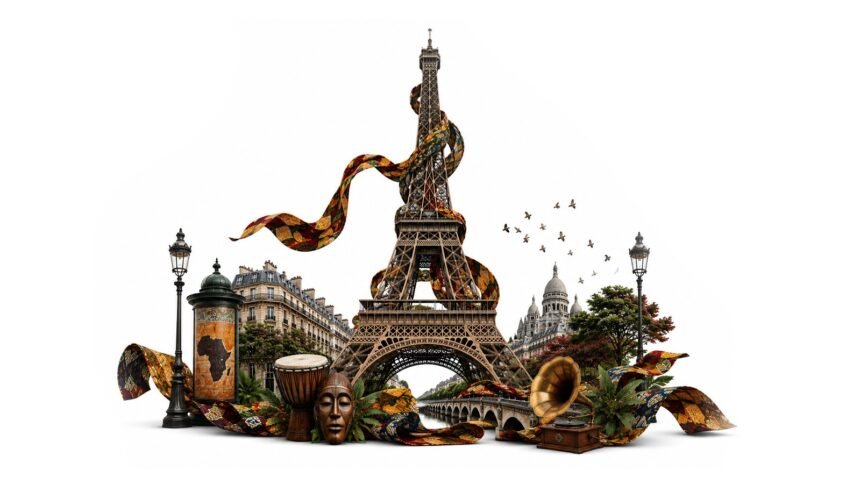
The demographic and cultural matrix of Western Europe is most dynamic in France, which is home to Europe’s largest Black population. Centered heavily within urban metropolitan hubs, the African diaspora draws together distinct communities from across West, Central, and North Africa, as well as the Caribbean. This high geographical density creates an organic environment for continuous cross-pollination. Unlike alternative international diaspora hubs that frequently aggregate diverse backgrounds into a singular migrant category, the Parisian ecosystem preserves a highly granular representation of African identity. This distinct granularity allows Cameroonian, Malian, Senegalese, and Ivorian traditions to remain highly recognizable and autonomous while simultaneously contributing to a vast, multi-layered francophone network.
Historical Literary Movements and Contemporary Hip-Hop Dominance
The analytical categorization of Afro-descendant expressivism within the republic reveals a complex, internal negotiation between specific African national heritages and a broader, transnational Black cultural identity. While legacy frameworks often aim to generalize these cultural outputs, the lived reality on the streets is defined by a highly legible dual consciousness. The historical Negritude movement, pioneered in early 20th-century Parisian literary salons by intellectuals such as Aimé Césaire and Léopold Sédar Senghor, laid the groundwork for a collective Black intellectual consciousness. Today, this legacy interacts dynamically with a booming, multi-million-dollar hip-hop and rap scene, currently ranked as the second-largest rap market globally. Modern artists push the boundaries of language by infusing everyday French vernacular with West African street idioms and Caribbean Creole, blending specific ancestral roots with a global Black urban aesthetic.
Assimilationist Strains and the Refusal of Dual Identity Choices
The integration of diasporic expressivism into the mainstream cultural fabric of France represents a complex balancing act that challenges traditional, assimilationist state models. A confident new generation of young Afro-French citizens is fundamentally refusing to choose between their Black and French identities. This confident reclamation is visible across urban spaces, where youth wear locally produced textiles and bright African-inspired patterns with an ease that directly contrasts with the assimilationist pressures their parents face. However, public policy analysts note a persistent structural paradox at the heart of this cross-cultural integration: while Afro-diasporic music, slang, and fashion heavily dominate commercial trends and streaming metrics, these communities remain underrepresented in the country’s formal media landscapes and institutional leadership boards.
Securitized Public Spheres and the Dynamics of Suburban Marginalization
The domestic sociopolitical environment behind these cultural movements is frequently strained by strict state approaches to immigration, border management, and localized integration. Public policy debates regarding undocumented migration, strict deportations, and the policing of working-class suburbs—the banlieues—often create a highly securitized public sphere. This tension surfaced sharply during political backlashes from the far right over high-profile cultural events, such as public debates questioning whether prominent Black artists accurately represent the national identity. Managing these systemic social pressures requires central planners to shift away from exclusionary border rhetoric toward the creation of institutional frameworks for genuine socioeconomic inclusion, ensuring that the human rights and civil liberties of all residents are legally safeguarded.
Autonomous Institutional Architectures and Economic Infrastructure
The ultimate sustainability of the Afro-francophone creative economy relies on the community’s capacity to translate global commercial visibility into autonomous infrastructure and long-term economic capital. Moving past a historical reliance on traditional cultural gatekeepers, independent initiatives are rapidly emerging across the scene. Localized fashion labels, community-funded festivals, and independent research institutions, such as the Council for African Worlds, are actively constructing an autonomous infrastructure to fund, publish, and display diasporic art on their own terms. By linking independent financial resources with a deep commitment to transnational solidarity, the global African community seeks to establish a self-determining future in which their historic contributions are permanently recognized as central to the modern global experience.