





Pan-African Resilience: Unity Amid Funding Fractures
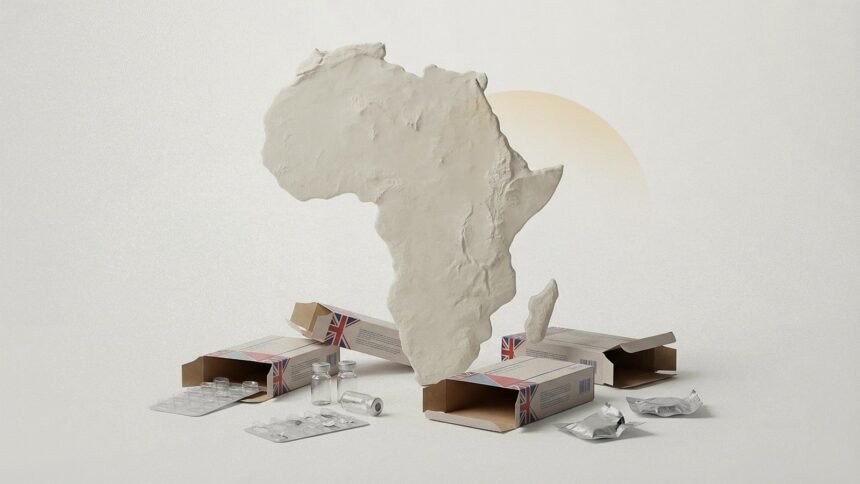
Across Africa’s vast expanse, where communal bonds forge pathways through adversity, the ripple of distant policy decisions now threatens to unravel hard-won health safeguards. The United Kingdom’s successive aid reductions, from 0.7% of gross national income to 0.5% under previous administrations, and further to 0.3% by 2027, cast long shadows over continental efforts to stem epidemics. These cuts, redirecting billions toward domestic defense, exacerbate vulnerabilities in a region bearing disproportionate burdens of HIV, tuberculosis, malaria, and emergent threats like mpox and cholera. Yet, pan-African solidarity, embodied in the African Union’s health agendas and cross-border collaborations, offers a counterforce. Initiatives like Namibia’s digital health reforms and the Democratic Republic of Congo’s strategic partnerships underscore a collective resolve to transcend donor dependencies, weaving local innovation into the fabric of epidemic resilience.
Africa’s Health Outlook: Vulnerabilities Amplified by Austerity
The continent’s health horizon, once brightened by incremental gains in life expectancy and disease control, now dims under the weight of curtailed international support. Sub-Saharan Africa, home to 70% of global HIV cases and 95% of malaria deaths, faces amplified risks as UK aid withdrawals erode workforce training and surveillance systems. In nations like Ethiopia and Nigeria, where epidemics intersect with conflict and climate stressors, funding shortfalls translate into clinic closures and medicine shortages, potentially reversing decades of progress. Projections warn of up to 1.6 million excess deaths annually from infectious diseases if trends persist, with women and children bearing the brunt through diminished maternal care and vaccinations. Amid this, pharmaceutical strides, such as Aspen’s projected double-digit profit rebound, highlight domestic potential, yet underscore the irony: profit surges in generics cannot fully offset the void left by slashed grants for epidemic preparedness.
USAID vs. UKAID in Africa’s Health Efforts: Divergent Paths
As the United Kingdom retreats, scaling back flagship programs like the Global Health Workforce Programme that bolstered epidemic responses in six African nations, the United States pivots toward bilateral fortification. USAID’s dissolution under an “America First” ethos birthed targeted pacts, such as the $1.2 billion alliance with the Democratic Republic of Congo, channeling funds into HIV, tuberculosis, and surveillance while mandating domestic co-investment. This contrasts sharply with UKAID’s broader, now truncated, emphasis on workforce development and gender-linked health in Kenya and Ghana, where abrupt terminations risk HIV resurgence and maternity service collapses. Privacy tensions mar U.S. efforts, Zimbabwe’s rejection of data sovereignty versus Congo’s embrace, yet both donors grapple with equity: the UK’s cuts imperil immediate epidemic control, while the U.S.’s conditionalities foster long-term sovereignty debates, leaving Africa’s health scaffolding in flux.
Epidemics in Africa: Cascading Crises from Funding Voids
Epidemic frontiers in Africa, from Cameroon’s persistent tuberculosis wards to cholera’s grip on 17 nations, face heightened peril as UK aid evaporates. The axing of programs training staff to combat gender-based violence and linked HIV in Kenya’s Homa Bay exemplifies the toll. Without sustained support, new infections could surge, cross borders, and amplify global threats. Tuberculosis, claiming 250,000 African lives yearly, sees outdated isolation models persist due to resource gaps, while malaria’s 600,000 annual fatalities risk escalation amid vaccine rollout delays. Emergent outbreaks, mpox’s clade Ib variant in Ethiopia, Ebola’s shadows in Congo, demand robust surveillance, yet cuts erode detection cadres, potentially spawning 2 million excess deaths by 2026. These voids not only prolong human suffering but also erode economic vitality, as untreated epidemics stifle workforces and strain fragile systems.
Leading Health Initiatives in Africa: Beacons Amid Budget Storms
Pioneering efforts illuminate Africa’s response, blending ingenuity with adaptation to donor retreats. Namibia’s youthful minister drives access to medication and digital transformation, scaling platforms like Menga to deliver rural prophylaxis against HIV and tuberculosis. Rwanda’s community insurance model, covering 92% of citizens, fortifies epidemic barriers, while Ethiopia’s health extension workers avert millions of deaths through grassroots surveillance. In South Africa, pharmacovigilance integrates antiretroviral care for 5 million, and Aspen’s restructuring promises self-reliant sterile drug production. These initiatives, from Congo’s U.S.-backed polio eradication to Cameroon’s gradual shift from isolation wards, embody resilience: prioritizing equity, they mitigate the fallout of UK cuts by fostering domestic financing and regional alliances, turning epidemic threats into opportunities for sovereign health architectures.
Global Health & Development: Interconnected Futures at Stake
The UK’s aid retrenchment reverberates globally, underscoring the indivisibility of health security: unchecked epidemics in Africa imperil worldwide stability, as seen in mpox’s international flares. Development trajectories falter without sustained investment, with projections of 10.8 million new HIV infections by 2030 if voids persist. Yet this juncture invites recalibration, bolstering multilateral institutions like the Global Fund, where the UK’s 15% cut risks 255,000 lives, and demands collective recommitment. Africa’s pharmaceutical ascent and digital innovations offer blueprints for self-reliance, urging donors to evolve from patrons to partners. In this intertwined era, restoring aid flows isn’t charity but prudence, weaving Africa’s epidemic victories into a tapestry of shared global prosperity.