






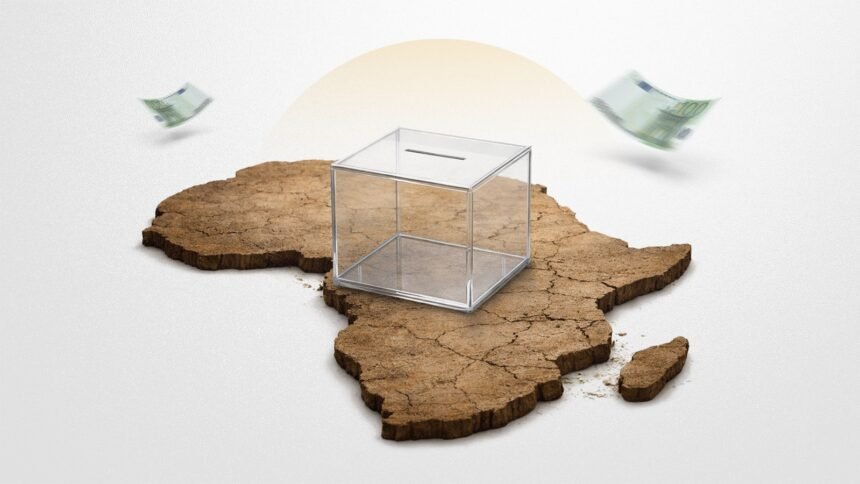
Pan African Alert: Navigating the Global Aid Eclipse
In the closing days of 2025, the landscape of international assistance to Africa has undergone a profound transformation, marked by sharp reductions from traditional European donors. Sweden and Germany, long-standing pillars of humanitarian and development support, have announced substantial budget reallocations, prioritizing defense enhancements and aid to Ukraine amid escalating geopolitical tensions. These moves echo the broader dismantling of U.S. programs like USAID and PEPFAR, creating a cascading effect that threatens to unravel decades of progress in health, food security, and poverty alleviation across the continent.
This shift is not merely fiscal; it represents a geopolitical realignment where aid is increasingly viewed through the lens of donor self-interest rather than global solidarity. Analysts describe it as a departure from established norms of responsibility, noting that European nations have adopted a more transactional approach. For Africa, home to over 1.4 billion people and grappling with compounded crises like climate-induced disasters, insurgencies, and persistent epidemics, these cuts arrive at a critical juncture. Yet, amid the immediate hardships, they serve as a stark wake-up call: a reminder that perpetual reliance on external benevolence is unsustainable. Africans must harness this moment to prioritize endogenous development, fostering self-reliance through domestic innovation, regional integration, and resource mobilization.
Aid Retreat: Sweden’s Strategic Reorientation
Sweden, historically one of the most generous aid donors per capita, has signaled a dramatic pivot in its international commitments. In early December 2025, the government revealed plans to phase out long-term development assistance to five nations, four of which are African: Mozambique, Zimbabwe, Liberia, and Tanzania. This decision entails a reduction of approximately 10 billion kronor (around £800 million) and redirects funds toward civilian support for Ukraine, which now accounts for a quarter of Sweden’s aid portfolio. Embassies in Liberia and Zimbabwe are slated for closure by 2026, further diminishing diplomatic footprints.
The implications for African recipients are severe. In Mozambique, where cyclones, droughts, and the Cabo Delgado insurgency have displaced over 300,000 people since mid-2025, Swedish funding has bolstered rehabilitation, healthcare, and education programs for vulnerable populations. Now, these initiatives face abrupt termination, exacerbating food insecurity. The UN reports that only 14% of the required humanitarian funding has materialized this year, resulting in rationed distributions covering just 39% of caloric needs. Zimbabwe and Tanzania, both high-burden HIV nations, will see disruptions in antiretroviral services and prevention efforts, potentially reversing gains that reduced new infections by 59% continent-wide since 2000.
This reorientation reflects Sweden’s broader fiscal pressures, including a 20% cut to the Swedish International Development Cooperation Agency (Sida) budget, dropping from 22.5 billion to 18.5 billion kronor. While Sweden maintains commitments to multilateral bodies, the selective withdrawal underscores a preference for proximate crises over distant development needs. For Africans, this retreat underscores the fragility of aid-dependent models, urging a shift toward internal growth engines such as agricultural modernization and intra-African trade under the African Continental Free Trade Area.
Africa-Germany Nexus: Budgetary Blades on Humanitarian Horizons
Germany’s aid adjustments paint a similarly sobering picture, with the 2026 humanitarian budget slashed to €1.05 billion—less than half of 2025 levels. This follows an 8% overall reduction in international development spending and a halving of emergency aid, as the coalition government prioritizes NATO defense targets amid rising military expenditures. Funding has been refocused on regions with direct European implications, such as Ukraine, while phasing out engagements in Latin America and Asia, and curtailing support in Africa.
Venro, a coalition of German NGOs, highlights the targeted cuts: a 20% decrease in funding to the World Food Programme and a 33% reduction in financing for the Gavi vaccine alliance, both critical to African health systems. In sub-Saharan Africa, where Germany has historically funded nutrition, maternal care, and disease control, these reductions compound existing vulnerabilities. Countries like Mozambique and Tanzania, already reeling from Swedish withdrawals, face amplified risks in HIV management—Germany’s contributions had supported viral suppression programs that aligned with UNAIDS 95-95-95 targets, now hovering at 88-78-72 regionally.
The German foreign office overhaul, announced in late 2025, emphasizes private-sector partnerships in developing nations, sparing them from cuts while traditional poverty-reduction efforts bear the brunt of cuts. This selective approach, critics argue, transforms aid into a tool for donor interests, such as securing trade advantages or controlling migration. For African stakeholders, it highlights the limits of external patronage, prompting a reevaluation of priorities across sustainable development pillars such as renewable energy infrastructure and education reforms to build resilience against such fluctuations.
Africa-Sweden Linkages: Unraveling Threads of Solidarity
The historical bonds between Africa and Sweden, forged through decades of anti-colonial support and development cooperation, now face unprecedented strain. Sweden’s aid, once emblematic of altruistic internationalism, has been recalibrated to address domestic and regional imperatives, including a 355 million kronor cut to African programs offset by increases to Ukraine. This mirrors trends in Norway and France, where aid budgets have similarly tilted eastward, with France announcing a €700 million reduction and a 60% drop in food aid.
In Liberia and Bolivia, the phase-out includes embassy closures, signaling not just financial but institutional disengagement. For HIV-focused initiatives, the fallout is particularly acute. All affected African countries had relied on Swedish funding for community-based services targeting key populations like adolescent girls and sex workers, groups with infection rates triple those of peers. Experts from Save the Children warn that 2026 could witness reversals in child protection and education, with Mozambique’s displaced communities at heightened risk of long-term setbacks.
These linkages, once a bridge of mutual progress, now highlight the precariousness of aid flows. Africans must interpret this as an impetus to strengthen Pan-African mechanisms, such as the African Union’s health financing commitments under the Abuja Declaration, aiming for 15% of national budgets allocated to health—a target met by only a handful of nations.
Development Imperative: Africa’s Sovereign Surge Forward
The aid cuts from Sweden and Germany, while devastating in the short term, must catalyze a Pan-African renaissance centered on self-directed development. Projections indicate that without intervention, these reductions could lead to 22.6 million excess global deaths by 2030, with Africa bearing the heaviest toll in HIV, malaria, and nutrition. Yet this crisis calls for a clear break: prioritize domestic resource mobilization, innovation, and regional solidarity to break the cycle of dependency.
African leaders have begun responding assertively, viewing the cuts as a “brutal” yet necessary prompt to harness remittances—exceeding $100 billion annually—and invest in local manufacturing, such as Nigeria’s ARV production hubs. The Africa CDC’s push for vaccine sovereignty and the AU’s 2024-2030 AIDS Strategy emphasize $12 billion in new domestic financing by 2028. Countries like Rwanda and Kenya demonstrate pathways through digital health platforms and health levies to reduce donor reliance from 70% to under 40% by 2030.
This imperative demands collective action: reforming fiscal policies to capture revenues from extractives, expanding universal health coverage, and fostering public-private partnerships for infrastructure. Civil society and governments must collaborate to monitor progress and ensure equitable growth that addresses gender disparities and rural-urban divides. Ultimately, these cuts underscore that Africa’s future lies not in awaiting external salvation but in forging a resilient, self-sufficient continent—transforming adversity into the foundation of enduring prosperity.


