





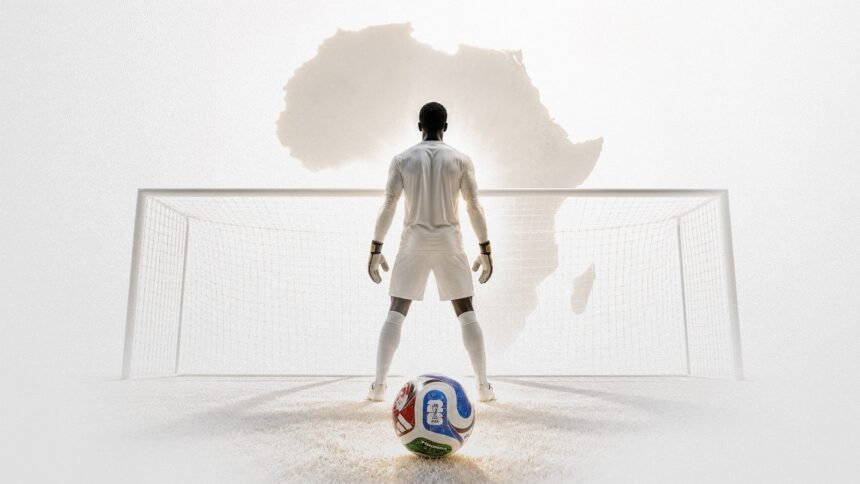
The Pan-African Paradigm of Cultural Diplomacy and Athletic Sovereignty
Across the African landscape, the structural manifestation of international sport functions as an essential vehicle for geopolitical visibility and continental self-determination. The Pan-African vision for a unified and globally respected continent extends far beyond conventional trade agreements, embedding itself deeply within the arena of global athletic competition. When African nations step onto the global stage, their performance serves as a powerful instrument of cultural diplomacy, challenging historical marginalization and redefining how the international community perceives societies. True athletic sovereignty requires that African sporting bodies navigate global institutional frameworks to ensure their representatives can compete on equal terms, turning international tournaments into powerful spaces for collective progress and the celebration of African resilience.
African Nations in the World Cup 2026: A Historic Continental Surge
The contemporary footballing landscape on the global stage is undergoing an extraordinary realignment, driven by an unprecedented and powerful surge of African national teams competing at the highest tier of international sport. For decades, the structural limitations of global qualifying frameworks restricted the presence of sub-Saharan teams, but contemporary institutional reforms have unlocked a massive wave of continental representation. This collective expansion has transformed the tournament’s competitive matrix, as African squads bring a distinct blend of tactical discipline, physical endurance, and innovative strategies to international arenas. This historic presence marks a definitive departure from the past, proving that the continent’s footballing networks have evolved into dominant forces capable of altering the global balance of power.
North African Mastery and the Legacy of Elite Tactical Systems
The elite tactical execution of North African footballing networks has vividly demonstrated the structural growth of the continent’s footballing engine. Building upon a strong foundation of domestic club academies and extensive international technical integration, regional heavyweights have consistently dismantled the long-standing dominance of traditional European and South American powerhouses. Their historic match setups utilize highly sophisticated defensive lines, rapid transition models, and disciplined midfield control to neutralize foreign attacking assets. This technical mastery demonstrates a profound evolution in national sports architecture, showing that tactical excellence can flatten historical resource disparities and secure a permanent place for African tactical systems at the absolute forefront of global competition.
Continental Grit and the Pursuit of Elite Injections
The competitive drive of African squads is further defined by an unyielding spirit of continental grit, where teams from the Nile Valley and sub-Saharan corridors consistently challenge the world’s most elite formations. These encounters frequently push global powerhouses to their absolute limits, featuring near-miss victories and dramatic tactical stalemates that disrupt international expectations. Even when navigating sudden injuries or structural pressure from wealthy overseas leagues, these national selections maintain a high level of physical and psychological intensity. This persistent competitive excellence serves as a powerful statement of intent, proving that African footballing networks no longer participate simply for international exposure but are actively pursuing elite global trophies through disciplined execution and collective organization.
West African Triad and the Execution of Modern Formations
The operational strength of the continent’s footballing matrix is beautifully illustrated by the dynamic, high-velocity modern formations executed by West African footballing networks. Characterized by explosive attacking transitions, athletic midfield press systems, and highly organized zonal defensive blocks, these teams have successfully rewritten the tactical rulebook of international tournaments. This modern style relies on a deep pool of domestic talent and elite international players who bring immense structural versatility to the field. By combining raw physicality with sophisticated tactical intelligence, these regional anchors consistently execute high-stakes victories on the world stage, solidifying West Africa’s position as a premier global talent hub and a dominant force in modern sports governance.
Cape Verde’s Historic Defiance in Atlanta
The most profound display of tactical organization and defensive resilience occurred during Cape Verde’s monumental encounter against the reigning European champions, Spain, at the Atlanta Stadium. Entering the match as clear underdogs, the Blue Sharks executed a flawless, deeply disciplined defensive strategy orchestrated by their national coach, Bubista. While the European powerhouse expectedly dominated overall ball possession, they struggled continuously to penetrate Cape Verde’s exceptionally well-organized defensive block. Although Ferran Torres hit the crossbar in Spain’s most dangerous attacking sequence, every other shot that found its way on target was systematically neutralized by an inspired defensive line, securing an historic 0-0 draw that earned the Central African nation immense international respect.
The Unjust Separation of Josimar Dias
The historic athletic triumph on the pitch in Atlanta occurred alongside a deeply painful personal struggle for Cape Verde’s legendary goalkeeper, Josimar “Vozinha” Dias. Named the official man of the match after executing seven world-class saves to deny the European champions, the 40-year-old national treasure was seen in tears at the full-time whistle. Vozinha, who has served as his country’s undisputed number-one goalkeeper for 13 years and stands as a living legend who has played in every major tournament in Cape Verde’s history, revealed that his mother was unable to witness his historic moment due to discriminatory immigration policies. In January, the United States government implemented a highly restrictive policy requiring Cape Verdean citizens to post a returnable bond of up to $15,000i, in addition to standard visa fees, creating an insurmountable financial barrier that prevented his mother from completing her travel application on time.
Global Solitary and the Legacy of Resilience
This structural injustice triggered an immediate wave of emotional support and global solidarity from international observers, most notably from Brazilian football communities and local fans who filled the Atlanta arena. The image of the veteran goalkeeper weeping tears of resilience resonated deeply with millions of viewers worldwide, highlighting the sharp contrast between corporate athletic luxury and the lived realities of African families. Reflecting on his long journey, Vozinha noted that he only turned professional at 25 when he signed for the Angolan side Progresso do Sambizanga, and that he had kept his dream alive through decades of sacrifice. This powerful moment of international empathy transformed a standard group-stage match into a global celebration of family devotion, as fans united to honor a player who dedicated his historic achievement to his late grandparents, his absent mother, and the enduring spirit of his teammates.
Sport as a Metaphor for the Sub-Saharan Social Contract
The emotional fallout from the Atlanta match demonstrates that international sport is far more than mere entertainment, serving instead as a powerful metaphor for the wider sub-Saharan social contract. As Coach Bubista eloquently stated, the team’s disciplined performance reflected the country’s broader historical journey: an unyielding story of courage, extreme sacrifice, and deep resilience in the face of structural barriers. The core weapon of the Cape Verdean national selection is not deep financial backing, but absolute unity and a profound, family-centered commitment to protecting their community’s collective dignity. When a small island nation forces a global superpower to a structural standstill on the pitch, it proves to the world that marginalized societies deserve absolute institutional respect and equal treatment within the international community.
Reengineering Global Mobility for Lasting Equality
The path forward for international sports governance and diplomatic relations requires an immediate transition away from discriminatory mobility restrictions toward a transparent framework of global equality. Reclaiming the true, inclusive spirit of international competition depends on host nations reforming their immigration protocols, ensuring that the families of participating athletes are not excluded through arbitrary financial bonds or prolonged bureaucratic delays. To build lasting institutional resilience, African sporting federations must utilize their collective leverage within global governing bodies to demand equal treatment for all member associations. Success will ultimately be measured by the international community’s capacity to build a fair, accessible sporting environment that protects human dignity and family unity, securing a prosperous, respectful, and self-determining future for the global republic.