

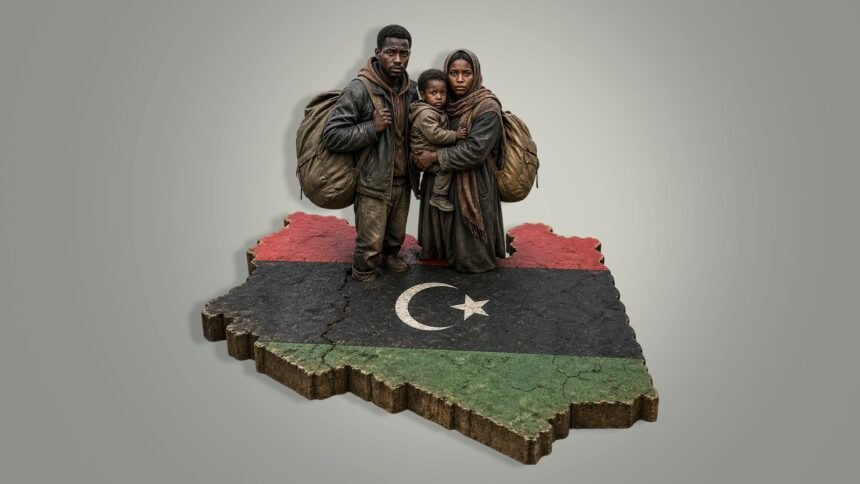
Pan-African: Collective Fragility and the Search for Dignity
Across the African landscape, the movement of people remains a defining feature of the continent’s history and its future. However, when these journeys are intercepted by criminal syndicates, the Pan-African ideal of safe and dignified mobility is compromised. The crisis of human trafficking in North Africa is a manifestation of broader continental challenges, including economic disparity and political instability. For the African Union, addressing these shadow networks is a prerequisite for achieving the integrated and prosperous continent envisioned in its long-term development goals.
Human Trafficking Outlook in Libya: A Systemic Crisis
The outlook for human trafficking in Libya in 2026 is characterized by a deeply entrenched and highly adaptable criminal infrastructure. Following over a decade of administrative division, the country has become a primary staging ground for transnational smuggling rings. These networks exploit the absence of a unified central authority to operate with a degree of impunity, turning the pursuit of migration into a lucrative commodity. The current landscape is one of extreme risk, where the hope of reaching European shores is frequently met with a cycle of detention and exploitation that exists outside the reach of conventional law.
Illegal Immigration & Human Trafficking: The Mediterranean Funnel
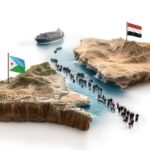
Libya remains the central funnel for illegal immigration routes toward Europe, a process inextricably linked to trafficking enterprises. In late April 2026, the Libyan Red Crescent reported the rescue of 404 migrants, including women and children, from 10 unseaworthy boats off the coast of Tripoli and near the border with Tunisia. These operations highlight the persistent nature of the crisis; as thousands embark on the “deadly Mediterranean route,” they are often funneled into these journeys by traffickers who provide overcrowded vessels in exchange for exorbitant fees. Each rescue operation is a temporary reprieve in a broader system that prioritizes profit over the survival of the migrants.
Human Rights & Exploitation: The Hidden Costs of Passage
The human rights situation for those caught in Libya’s trafficking web is characterized by systemic exploitation and abuse. Migrants frequently face arbitrary detention in facilities where they are vulnerable to forced labor, physical violence, and extortion. The discovery of remains on the Tripoli coast, including those of a Bangladeshi national, underscores the physical danger inherent in these journeys. Exploitation often begins long before the shore, as traffickers utilize “shadow governance” to control the movement and lives of individuals, creating a humanitarian vacuum where basic protections are non-existent.
Border Security & Protection: The Fragmented Shield
Border security and protection in Libya are hampered by the country’s ongoing political and military fragmentation. While organizations like the Red Crescent and the Emergency Medicine and Support Center provide vital search and rescue services, their efforts are often reactive rather than preventative. Strengthening border security requires more than just maritime patrols; it necessitates a unified national security apparatus capable of dismantling the domestic networks that facilitate trafficking. Currently, the protection of vulnerable individuals remains a fragmented shield, with different factions and agencies struggling to provide a cohesive response to a highly organized criminal threat.
AU-EU Efforts: The Limits of Multilateral Cooperation
Efforts by the African Union and the European Union to mitigate the trafficking crisis have faced significant operational and ethical challenges. While the EU has provided funding for the Libyan Coast Guard and various humanitarian programs, critics argue that these measures often result in migrants being returned to the very detention centers where they face abuse. The AU continues to advocate for a “human-centric” approach that addresses the root causes of migration. However, the reliance on external security solutions often masks the need for deep-seated political reform within Libya itself, illustrating the limits of international cooperation in a territory lacking a unified sovereign partner.
Development: Reclaiming Agency and Stability
The ultimate solution to the trafficking crisis lies in the political stabilization of Libya and the sustainable development of the African interior. Human trafficking thrives on the “pulse of developmental failure”, where poverty and conflict leave individuals with few choices but to trust their lives to criminal networks. For Libya, the transition toward a unified budget and a stable civilian government is essential for reclaiming its national agency and securing its borders. For the broader continent, the goal is to create an environment where the pursuit of a better life does not require a journey through the shadow hubs of the Mediterranean, but can be fulfilled through opportunity and peace within one’s own borders.