





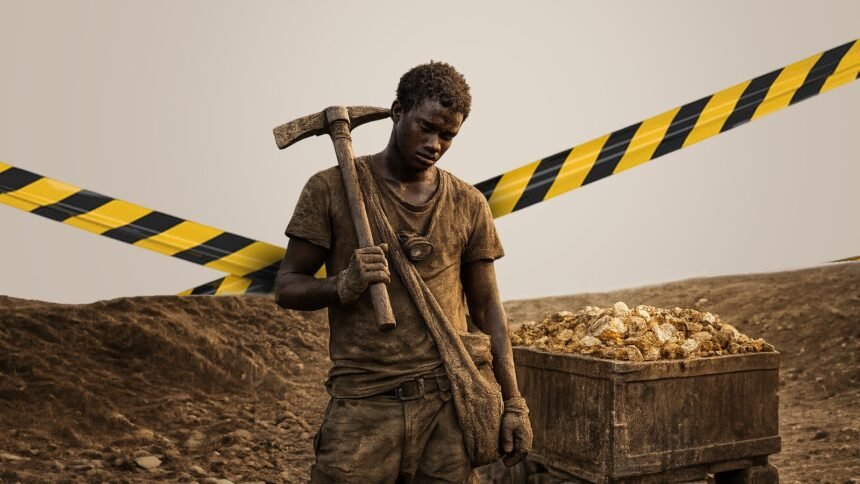
Pan African Echoes: Exploitation Across the Continent’s Veins
Gold mining in South Africa resonates with broader Pan-African echoes of resource exploitation, where the pursuit of precious metals often ensnares workers in cycles of peril and poverty. Across the continent, from Mali’s artisanal pits to Zimbabwe’s informal shafts, miners face similar inhuman conditions, unregulated labor, environmental toxins, and systemic neglect that mirror South Africa’s struggles. In this shared narrative, gold symbolizes both promise and peril, driving desperate individuals into hazardous underworlds amid widespread unemployment and inequality. South Africa’s zama zamas, or “those who take a chance,” epitomize this continental plight, operating in abandoned mines that once fueled colonial economies but now harbor death and desperation.
These echoes amplify in South Africa’s context, where historical dispossession under apartheid entrenched racial and economic divides, leaving black communities disproportionately vulnerable. Migrants from neighboring countries like Mozambique and Lesotho flock to these sites, lured by syndicates promising survival but delivering bondage. Pan-African solidarity calls for unified reforms, yet national borders fragment responses, allowing exploitation to persist. This interconnected suffering underscores a need for continent-wide frameworks to humanize mining, transforming resource extraction from a source of strife into one of equitable empowerment.
South Africa’s Gold Mining Outlook: Hazards in the Depths
South Africa’s gold mining outlook reveals a stark dichotomy: a legacy of wealth overshadowed by deepening hazards for informal workers. Once the world’s top producer, peaking in the 1970s, the sector now contends with declining reserves and over 6,000 derelict mines, where an estimated 30,000 zama zamas toil illicitly, contributing up to 10 percent of national output. These miners descend into shafts exceeding two kilometers, enduring temperatures over 100 degrees Fahrenheit and suffocating humidity, with rockfalls and cave-ins claiming lives routinely.
Recent tragedies, such as the Stilfontein siege, highlight the outlook’s grim trajectory: police blockades severed supplies, leading to emaciation, dehydration, and deaths numbering in the dozens, with survivors reporting consumption of insects or worse to endure. Syndicates exacerbate risks through extortion and violence, turning mines into battlegrounds. While formal mining employs safer technologies, informal operations lack ventilation, leading to widespread tuberculosis and chemical poisoning. This perilous outlook demands urgent interventions to mitigate dangers, blending enforcement with support to avert further human costs in a sector vital to the economy yet lethal to its laborers.
Mining Sector in Southern Africa: Regional Perils and Parallels
The mining sector in Southern Africa weaves a tapestry of regional perils, where South Africa’s gold woes parallel those in neighboring nations, fostering cross-border vulnerabilities. In Zambia and Zimbabwe, informal gold panning exposes workers to mercury toxicity and landslides, much like South Africa’s zama zamas navigating unventilated tunnels riddled with explosives and rival gangs. The Southern African Development Community grapples with this shared crisis, as migrants traverse borders seeking elusive fortunes, only to encounter exploitation and peril.
South Africa’s dominance in the region, with vast abandoned shafts, amplifies these parallels, as syndicates smuggle gold across porous frontiers, evade taxes, and perpetuate poverty. Environmental degradation compounds human suffering: chemical leaching poisons waterways, affecting communities downstream in Botswana and Mozambique. Regional initiatives aim to harmonize regulations, yet enforcement lags, allowing perils like child labor and forced migration to proliferate. This interconnected sector underscores the need for collaborative safeguards, turning regional perils into opportunities for collective resilience and fair resource governance.
Gold vs. Diamond Mining: Contrasting Perils in Pursuit
Gold versus diamond mining in South Africa presents contrasting perils, each shaped by distinct extraction methods yet united in worker exploitation. Gold’s underground labyrinths demand deep descents into unstable shafts, exposing zama zamas to asphyxiation, falls, and gang violence, with recent blockades illustrating state-induced starvation. Diamonds, often surface-mined in open pits like Kimberley, pose risks of machinery accidents and dust-induced silicosis, but syndicates enforce similar coercive labor, trafficking workers into remote sites.
Gold’s allure draws more informal miners due to its portability and high value, fueling syndicates that impose debt bondage and murder, in contrast to diamond mining’s corporate oversight, which, while safer, still harbors wage disparities and community displacement. Both sectors grapple with child involvement, gold’s hidden depths, which conceal it more effectively, and environmental scars, from gold’s cyanide pollution to diamonds’ habitat destruction. These contrasts highlight systemic issues: gold’s decentralized dangers versus diamonds’ structured inequities, urging tailored protections to mitigate the human toll in South Africa’s mineral pursuits.
Human Rights & Protection: Defending Dignity in the Dark
Human rights and protection in South Africa’s gold mining demand urgent defense, as zama zamas endure violations that strip dignity from their labor. Starvation tactics in operations like Vala Umgodi infringe on the right to life, with emaciated survivors recounting horrors of consuming vermin amid decaying bodies. Exploitation manifests in slavery-like conditions: migrants endure beatings, extortion, and indefinite confinement by armed syndicates, violating prohibitions against forced labor.
Protection falters amid police crackdowns, criticized as massacres, where blockades deny food and medicine, breaching humane treatment standards. Health rights erode through unchecked diseases, tuberculosis ravages lungs in unventilated shafts, while environmental toxins infringe on safe living. Migrants face xenophobic violence, compounding vulnerabilities. Advocacy groups push for decriminalization and support, framing zama zamas as victims of poverty rather than criminals. Strengthening rights requires enforceable protections: access to permits, health services, and legal recourse, restoring dignity to those toiling in the dark.
Development Pathways: Forging Equitable Futures from the Mines
Development pathways for South Africa’s gold workers envision equitable futures, pivoting from peril to prosperity through inclusive reforms. Artisanal mining, if formalized, could harness zama zamas’ skills, generating jobs and revenue while curbing syndicates. Pathways include licensing programs, providing training in safe techniques and environmental stewardship, and bridging the gap between desperation and sustainable livelihoods.
Economic diversification offers escape: investing in education and alternative sectors like renewable energy reduces reliance on hazardous mining. Community-led initiatives, supported by regional partnerships, can reclaim derelict sites for agriculture or tourism, mitigating pollution’s legacy. Policy reforms must prioritize human-centered development: subsidies for protective gear, health clinics in mining areas, and anti-corruption measures to dismantle exploitative networks. By fostering these pathways, South Africa can transform its gold heritage from a narrative of suffering into one of empowerment, ensuring workers’ contributions yield shared progress and enduring equity.