






Pan African Parallels: Electoral Tensions in Regional Context
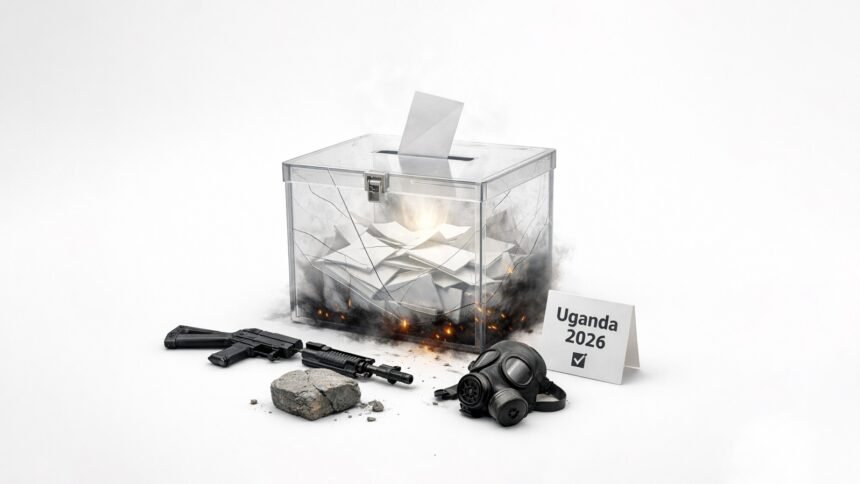
Uganda’s 2026 general elections, unfolding amid heightened security and communication blackouts, reflect broader Pan-African patterns in which long-entrenched leaders face youthful demands for change, often met with state repression. As voters cast ballots for president, parliamentarians, and local representatives, the contest underscores a continental truth: imperfect democratic processes, though fraught with manipulations, offer a structured alternative to outright conflict or authoritarian void. From Tanzania’s deadly post-poll clashes to Madagascar’s coupvolution remorse, Africa’s electoral landscapes reveal that even illusory democracy—where participation simulates choice—fosters dialogue and accountability, averting the chaos of war. In Uganda, this fragile framework, sustained despite flaws, highlights how procedural rituals can temper violence, channeling grievances into civic avenues rather than armed upheavals.
Elections Dynamics: Candidates and High Stakes
The electoral exercise pits incumbent President Yoweri Museveni, seeking a seventh term after nearly four decades in power, against a field of challengers led by pop star-turned-politician Robert Kyagulanyi, known as Bobi Wine. Museveni, who ascended to power in 1986 following a rebellion and twice amended the constitution to remove term and age limits, campaigns on continuity and stability, crediting his rule with infrastructure gains amid economic challenges. Wine, representing the National Unity Platform, embodies a generational shift, appealing to urban youth disillusioned by unemployment and inequality. Other contenders, including Mugisha Muntu of the Alliance for National Transformation, add diversity to the race, though the contest largely polarizes between Museveni’s National Resistance Movement and opposition forces. With 21.6 million registered voters across 50,740 polling stations, the process includes simultaneous elections for parliamentary seats and local councils, emphasizing inclusivity, even as observers note preemptive barriers such as nomination disputes and resource disparities.
Political Transition Tensions: Incumbency Versus Renewal
Tensions in Uganda’s political transition stem from Museveni’s control over institutions, juxtaposed with calls for renewal that echo continental shifts toward youth-driven accountability. Pre-election maneuvers, including arrests of hundreds of opposition supporters and disruptions at Wine’s rallies with live ammunition and teargas, signal efforts to preserve incumbency. The government’s justification—maintaining order amid alleged threats—mirrors strategies seen in the Ivory Coast’s disqualifications and Cameroon’s absentee rule. Yet, this friction underscores democracy’s value: structured transitions, however manipulated, provide mechanisms for contestation, potentially easing power handovers without descending into anarchy. International observers from the African Union, the East African Community, and other organizations have been deployed to monitor the process, urging safeguards to legitimize outcomes and prevent post-poll disputes.
Democracy Struggles Resilience: Repression and Civic Endurance
Uganda’s democracy struggles highlight resilience amid repression, where even constrained participation affirms the superiority of electoral illusions over violent alternatives. The nationwide internet shutdown, ordered by the communications authority to curb misinformation and fraud, has drawn condemnation from rights groups and the United Nations, which have labeled it a tool to stifle expression and assembly. Coupled with suspensions of civil society operations and arbitrary detentions, these measures evoke Tunisia’s hunger strikes and Tanzania’s curfews, yet they also illustrate democracy’s enduring appeal: ballots, flawed as they may be, channel dissent into peaceful processes, thereby mitigating the risk of widespread conflict. Opposition strategies, such as Wine’s calls for vigilance against rigging, reinforce this, promoting civic engagement that fosters long-term accountability without immediate warfare.
Violence Alternatives: Flawed Processes Over Conflict
The specter of violence looms in Uganda’s elections, with warnings of protests if results are contested, yet it reaffirms that imperfect democracy surpasses war’s devastation. Historical precedents, from South Sudan’s delayed polls amid Sudan’s spillover to Ethiopia’s insurgent-plagued campaigns, demonstrate that the absence of electoral avenues leads to prolonged strife. In Uganda, even amid fears of military interference and post-election clashes, the ritual of voting provides a nonviolent outlet, fostering hope for incremental reforms. Embracing this “imaginary” democracy, where participation simulates equity, averts the human costs of conflict, paving the way for genuine future transitions through sustained pressure rather than destruction.


