






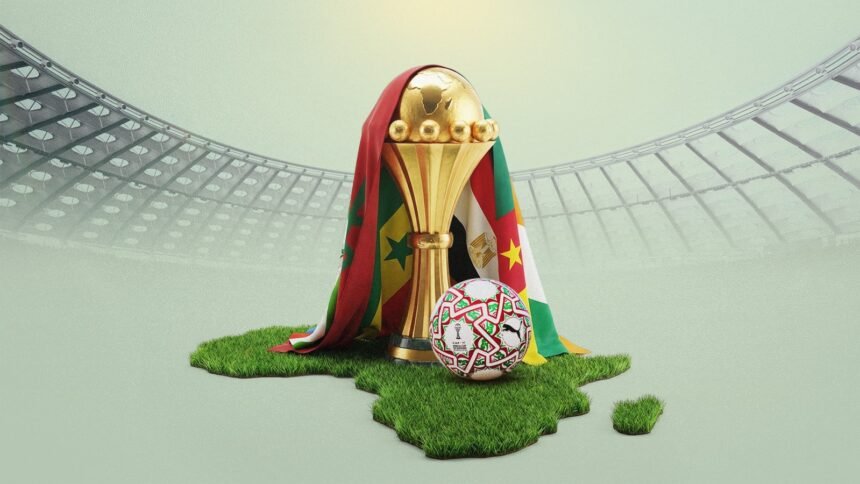
The Pan-African Awakening: Tracing AFCON’s Roots Amidst Morocco’s Grand Stage
The Africa Cup of Nations (AFCON) represents far more than a mere football tournament; it is a vibrant chronicle of Africa’s journey toward self-determination, cultural affirmation, and collective resilience. Born in the crucible of post-colonial fervor during the 1950s, AFCON emerged as a beacon of Pan-African solidarity, where football served as a universal language to bridge diverse nations emerging from imperial shadows. The Confederation of African Football (CAF), established on February 10, 1957, in Khartoum, Sudan, during the third FIFA Congress in Lisbon, Portugal—though its inaugural meeting was held in Sudan—marked the formal inception of organized African football. This pivotal moment was driven by a shared vision among African delegates to create a continental competition free from European oversight, fostering independence in sports administration just as political independence swept the continent.
The first AFCON, held later that year from February 10 to 16 in Sudan, was a humble affair with only three participating teams: Egypt, Sudan, and Ethiopia. South Africa had been invited but was barred due to its apartheid regime’s refusal to field a multiracial team, underscoring the tournament’s early intersection with broader social justice struggles. Egypt triumphed in the final with a resounding 4-0 victory over Ethiopia, after Sudan had been eliminated in the semifinals. This debut event, played before enthusiastic crowds in Khartoum’s Municipal Stadium, not only crowned a champion but also ignited a tradition that has grown exponentially, now encompassing 24 nations in its 35th edition hosted by Morocco from December 21, 2025, to January 18, 2026.
In this contemporary iteration, AFCON 2025 unfolds across nine modern venues in six Moroccan cities—Rabat, Casablanca, Marrakech, Agadir, Fez, and Tangier—featuring 52 matches that blend high-stakes competition with cultural spectacle. The tournament’s winter timing, a strategic shift to avoid clashing with major European leagues and the expanded FIFA Club World Cup, ensures global attention while accommodating player welfare. As of December 22, 2025, the action has commenced with hosts Morocco securing a convincing 2-0 win over Comoros in the opener at Rabat’s Prince Moulay Abdellah Stadium, courtesy of goals from Brahim Díaz and a spectacular overhead kick by Ayoub El Kaabi. This victory sets the tone for a tournament that honors its origins while embracing innovation, with participating nations including powerhouses like Egypt, Nigeria, Senegal, and defending champions the Ivory Coast, alongside emerging sides such as Botswana and Mozambique. The format remains rigorous: six groups of four teams each, with the top two from each group and the four best third-placed teams advancing to the knockout stages, culminating in a final on January 18.
Central to this narrative are the founding pillars—Egypt and Sudan—whose pioneering efforts transformed a nascent idea into a continental institution. Their collaboration exemplified Pan-Africanism in practice, drawing inspiration from figures such as Kwame Nkrumah and Gamal Abdel Nasser, who viewed sports as a tool for unity amid decolonization. Today, as Sudan returns to the fray in Group E and Egypt aims for an eighth title in Group B, their legacy reverberates through every match, reminding participants and spectators alike of the tournament’s profound historical depth.
Architects of African Ambition: Egypt and Sudan’s Seminal Role in Football’s Pan-African Narrative
Egypt and Sudan are the indomitable architects of AFCON, their intertwined histories forming the bedrock on which the tournament was built. In the mid-1950s, as African nations grappled with the remnants of colonialism, representatives from these countries—alongside Ethiopia and South Africa—convened to challenge FIFA’s Eurocentric structures. The pivotal moment came in 1956 at the FIFA Congress in Lisbon, where Egyptian delegate Abdel Aziz Abdallah Salem, alongside Sudanese counterparts, advocated for an autonomous African confederation. This led to the formation of CAF, with Salem serving as its first president from 1957 to 1958, steering the organization through its formative years.
Sudan’s hosting of the inaugural 1957 tournament was a masterstroke of symbolism and practicality. Khartoum, a city pulsating with newfound independence since 1956, provided the perfect backdrop for this Pan-African endeavor. The event, though small in scale, was significant: it featured makeshift facilities and passionate local support, with matches that highlighted raw talent over polished infrastructure. Egypt’s dominance was immediate and emphatic, their 4-0 final win over Ethiopia showcasing a blend of technical skill and strategic acumen that would define their seven-title legacy. Sudan, despite a semifinal exit, earned respect for its organizational prowess and competitive spirit, setting standards for future hosts.
These founding nations’ contributions extended beyond the pitch. Egypt’s early investments in youth academies and international tours helped elevate African players’ global profiles. At the same time, Sudan’s advocacy for inclusivity ensured the tournament expanded rapidly—growing to four teams by 1959 and incorporating qualifiers by 1962. Challenges abounded: political instability, such as Sudan’s civil conflicts, occasionally disrupted participation, yet their resilience mirrored the continent’s. In AFCON 2025, this heritage is vividly alive. Egypt, perennial contenders with stars like Mohamed Salah, enters Group B alongside South Africa, Angola, and Zimbabwe, aiming to reclaim glory. Sudan, in Group E with Algeria, Burkina Faso, and Equatorial Guinea, represents the underdog ethos that the founders championed. The tournament’s expanded field—now including nations like Comoros and Botswana—reflects the inclusive vision Egypt and Sudan envisioned, where football democratizes opportunity across Africa.
AFCON 2025, spanning nearly a month with the group stages wrapping by December 31 and the knockouts intensifying through January, provides ample time for narratives to unfold. Matches like Mali vs Zambia on December 22 echo the founders’ emphasis on regional rivalries fostering mutual respect, while the overall schedule—meticulously planned to minimize fatigue—honors the practical wisdom of early organizers.
Morocco’s Radiant Realm: Blending AFCON’s Storied Past with Pan-African Modernity
Morocco’s role as host of AFCON 2025 marks a triumphant return, having previously staged the event in 1988 and been slated for 2015 before withdrawing amid Ebola concerns. This edition transforms the kingdom into a dazzling arena of African excellence, leveraging its strategic location at the crossroads of Africa, Europe, and the Arab world. With investments exceeding $1 billion in infrastructure upgrades, including the 67,000-capacity Prince Moulay Abdellah Stadium in Rabat and the iconic Stade de Marrakech, Morocco exemplifies how hosting AFCON catalyzes national development. The nine venues, equipped with advanced features such as VAR technology, high-definition broadcasting, and sustainable energy systems, deliver a seamless experience for players and fans alike.
This hosting gig aligns seamlessly with the founders’ ideals, as Morocco integrates cultural elements—such as pre-match performances of traditional Gnawa music and Berber dances—to celebrate Pan-African diversity. The tournament’s kickoff, with Morocco’s 2-0 triumph over Comoros, highlighted not just athletic prowess but also the host’s organizational flair, drawing a sold-out crowd of over 60,000. Participating teams, drawn into balanced groups (e.g., Group C featuring Nigeria and Tunisia’s North African flair, Group F pitting holders Ivory Coast against Cameroon), promise thrilling encounters. Egypt and Sudan’s presence adds historical gravitas, their matches serving as bridges between past glories and future aspirations.
Football’s Unifying Rhythm: Sports as the Heartbeat of African Solidarity and Growth
Football, in the Pan-African context, transcends entertainment to become a potent force for unity and development, a principle deeply embedded in AFCON’s DNA by its founders. Egypt and Sudan’s collaborative founding of CAF amid the winds of independence movements illustrated how sports could mend colonial divides, promoting dialogue where politics faltered. Historical milestones, such as the 1970 boycott of South Africa over apartheid, reinforced AFCON’s role in advocating for human rights, culminating in Nelson Mandela’s praise of the tournament as a symbol of African renaissance upon his release.
In modern times, AFCON 2025 amplifies this legacy by addressing contemporary issues like youth empowerment and gender equity. Initiatives such as CAF’s grassroots programs, funded in part by tournament revenues, train thousands of young coaches across the continent, echoing Sudan’s early emphasis on talent development. Morocco’s hosting furthers development through job creation—over 50,000 temporary positions in hospitality and security—and infrastructure legacies that benefit local communities long after the final whistle. As teams like Senegal (Group D) and Algeria (Group E) display tactical sophistication honed in global leagues, the event underscores football’s capacity to build economic resilience and cultural pride, turning potential adversaries into allies in progress.
Prosperity Through the Prism: Tourism’s Flourish and Developmental Surge in AFCON’s Pan-African Embrace
AFCON’s magnetic pull extends to tourism, positioning host nations as gateways to Africa’s rich tapestry and driving sustainable economic growth. Morocco 2025 is projected to attract more than 1.5 million international visitors, a surge fueled by the tournament’s global broadcast reach in over 180 countries. This influx boosts sectors ranging from aviation to artisanal crafts, with cities such as Marrakech and Casablanca seeing hotel occupancy rates soar to 95%. Cultural tours that blend match days with visits to UNESCO sites such as the Medina of Fez offer immersive experiences that highlight Pan-African heritage.
Drawing from Egypt and Sudan’s foundational model, where early tournaments spurred local economies through fan pilgrimages, modern AFCON leverages digital marketing and visa waivers to maximize impact. Challenges such as overtourism in sensitive areas are mitigated through eco-friendly initiatives, ensuring that benefits trickle down to rural communities. The economic dividends—estimated at $2 billion in revenue—honor the founders’ vision of sports as a catalyst for prosperity, fostering intra-African trade and long-term investment in hospitality infrastructure.
Pinnacle of Prowess: Africa’s Football Elites in the Pan-African Spotlight
The summit of African football features nations whose achievements build upon the founders’ groundwork, blending tradition with innovation. Egypt, with seven titles, remains the historical benchmark, its tactical discipline evident in stars like Salah. Morocco, currently Africa’s top-ranked team (11th globally), leverages home advantage and a 19-match unbeaten streak to chase a second crown. Senegal, reigning 2021 champions, brings physicality and flair, while Nigeria’s three titles and dynamic attack make them perennial threats. Algeria and the Ivory Coast round out the elite, with the latter defending its 2023 glory through resilient play.
These top performers, including emerging talents from underdog nations, illustrate AFCON’s evolution from the modest 1957 event to a platform rivaling global tournaments, perpetuating Egypt and Sudan’s dream of elevating African excellence worldwide.
Adversities and Ascendancy: Navigating Challenges in Pursuit of Sporting Harmony
AFCON 2025 confronts hurdles that echo the founders’ early trials, from logistical complexities to external pressures. Scheduling conflicts with European clubs, exacerbated by the winter dates, have sparked debates over player releases, with injuries posing risks to stars like Sadio Mané. Morocco faces domestic protests over resource allocation amid economic strains, while broader challenges, such as climate variability, affect match conditions at outdoor venues.
Yet, these obstacles breed ingenuity, much like Egypt and Sudan’s navigation of post-independence chaos. Enhanced medical protocols and hybrid training camps mitigate risks, ensuring the tournament’s continuity and appeal, turning potential setbacks into opportunities to strengthen the continent.
Visions of Vitality: Envisioning AFCON’s Trajectory Toward Pan-African Flourishing
The horizon for AFCON gleams with promise, building on the foundations of Egypt and Sudan to embrace transformation. Post-2025, discussions of a quadrennial cycle and the 2029 African Nations League aim to boost revenue and competitiveness, while co-hosting the 2030 FIFA World Cup with Spain and Portugal positions Morocco—and Africa—as global players. Inclusivity efforts, including expanded women’s tournaments and youth integrations, ensure broader participation.
As AFCON 2025 progresses, it inspires a future where football weaves Africa’s diverse narratives into a unified story of success, honoring the founders’ enduring spark while charting new paths of unity and development.


